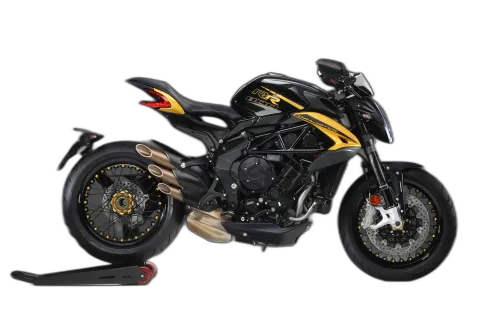
MV Agusta Dragster 800 (MY2014-RC) — Hyper Naked
MV Agusta Press

2017–2024 · Hyper Naked · A variant of the Dragster 800

Dragster 800 RC (MY2014-RC)

Differences between the standard Dragster 800 and the RC

Rolling Art With Real Bite

The Machine's Character

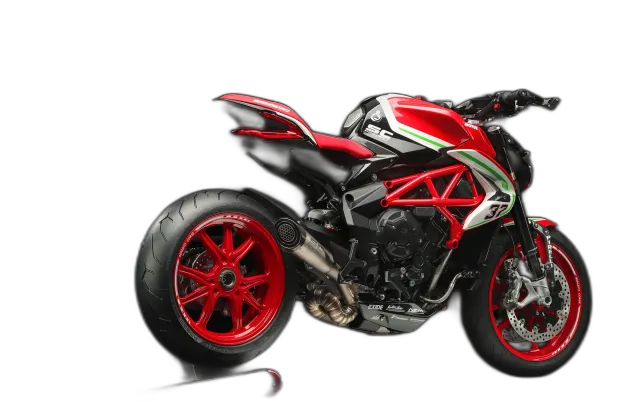
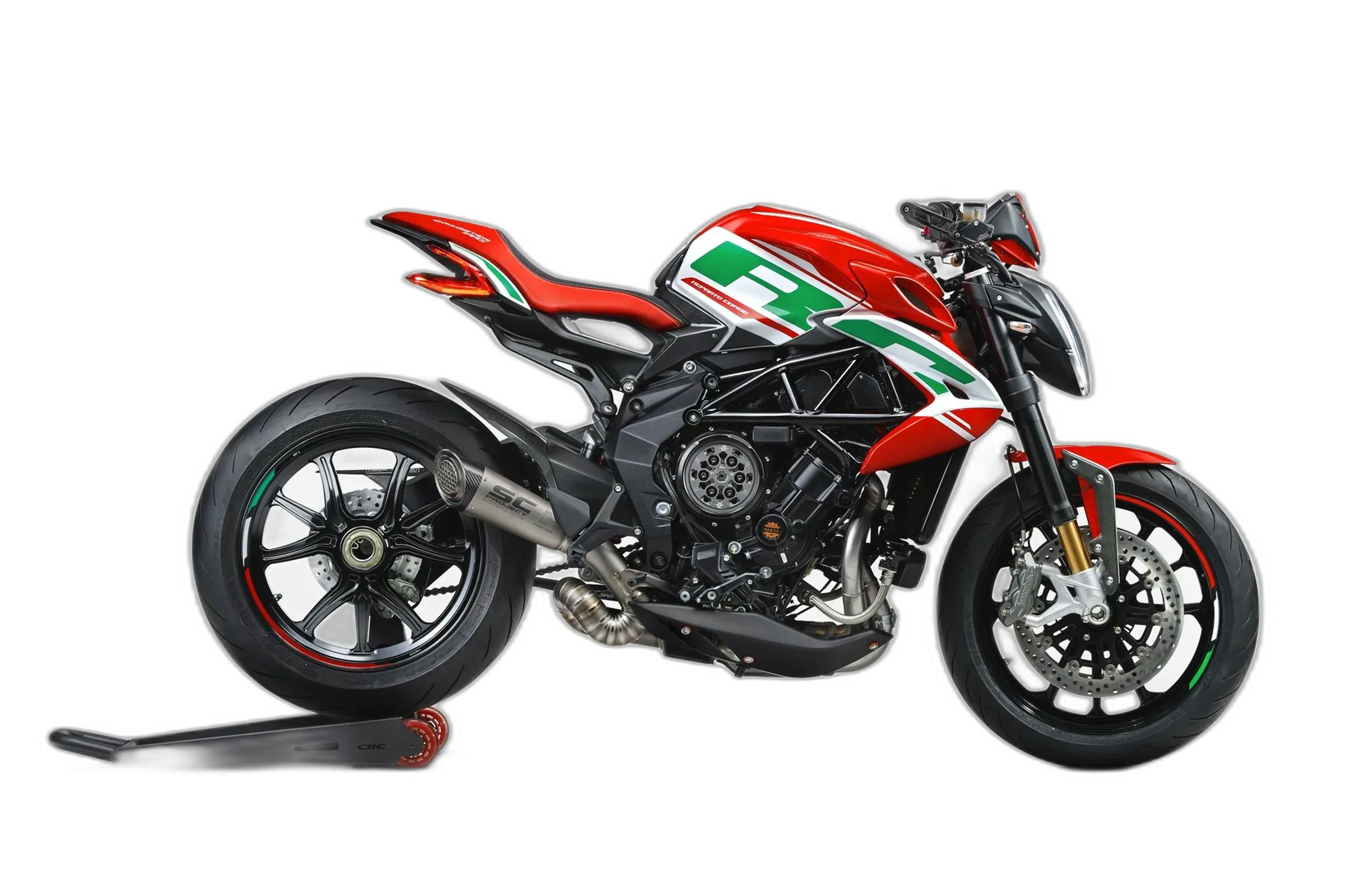
The 798 cc inline-three is the whole argument. Full power, 140 hp, arrives at 13,100 rpm, and peak torque of 64 lb-ft lands at 10,100, so this engine lives high in the rev range where a triple gets genuinely exciting. Around it sits a short 54.3-inch chassis, a single-sided swingarm and a 200/50-17 rear tire that dominates the whole rear view. The equipment list backs the drama up: fully adjustable suspension front and rear, a steering damper, up and down quickshifter, slipper clutch, cornering ABS, traction control, ride modes, launch control and a TFT dash.

At 430 lb wet it feels dense rather than heavy, and the compact wheelbase gives it an alert, slightly restless character that rewards a rider paying attention. This is a machine for short, intense rides on the best roads you know, not for grinding out interstate miles. The 4.4-gallon tank and 45 mpg cover a proper canyon morning, and the 31.9-inch seat suits most riders. The honest part: MV ownership asks something back. Starter sprag clutches have failed, dash and sensor glitches show up, and fasteners work loose if nobody checks them.

Hard Numbers

Spec sheets don't ride bikes, but they set the baseline.

Show full specs & equipment Hide specs & equipment
Key specifications
Power 140 hp (103 kW) @ 13,100 rpm
Torque 64 lb-ft (87 Nm) @ 10,100 rpm
Displacement 798 cc
Engine Inline-three
Cooling Liquid-cooled
Gearbox 6-speed
Final drive Chain
Fork Upside-down (USD)
Front brake 320 mm
Front tire 120/70-17
Rear tire 200/50-17
Wheelbase 54.3 in (1380 mm)
Seat height 31.9 in (811 mm)
Wet weight 430 lb (195 kg)
Fuel capacity 4.4 gal (16.6 L)
Top speed 152 mph (245 km/h)
Fuel economy 45 mpg (US)

Equipment check

Chassis

  • Front Suspension Adjustable Standard
  • Rear Suspension Adjustable Standard
  • Steering Damper Standard

Connectivity

  • TFT Display Standard
  • Smartphone Connectivity Standard

Drivetrain

  • Quickshifter Standard
  • Slipper Clutch Standard

Lighting

  • LED Headlight Standard

Safety

  • ABS Standard
  • Cornering ABS Standard
  • Traction Control Standard
  • Ride Modes Standard
  • Launch Control Standard

The Voice of Experience

Portrait of NastyNils

The test ride

The noise gets you first. Down low the triple has a hard, metallic rasp, and somewhere past 7,000 rpm it turns into a genuine howl that follows you off canyon walls and makes you take the long way home. Vibration is present without being tiring, a fine buzz through the bars and pegs that keeps you connected to what the engine is doing. The riding triangle is tight: bars close, pegs high, a narrow seat that puts you on top of the bike instead of inside it. Taller riders will notice the legroom after an hour. From the saddle the rear tire looks enormous and the mirrors mostly show your own elbows. At real road speed the front end stays talkative, and you run out of nerve long before the bike runs out of lean angle.

What the Dragster 800 RC Adds — Differences vs the Standard Dragster 800

The Dragster 800 RC (MY2014-RC) builds on the standard Dragster 800: the upgraded hardware, the key spec changes and where its character shifts. The full ride, specs, scoring and verdict are all right here on this page.

Hard spec differences

SpecStandard Dragster 800RCΔ
Power 125 hp 140 hp +15 hp
Torque 60 lb-ft 64 lb-ft +4 lb-ft
Wet weight 417 lb 430 lb +13 lb

How the RC shifts the character

Where it does less
  • Lazier low-end that wants more revs
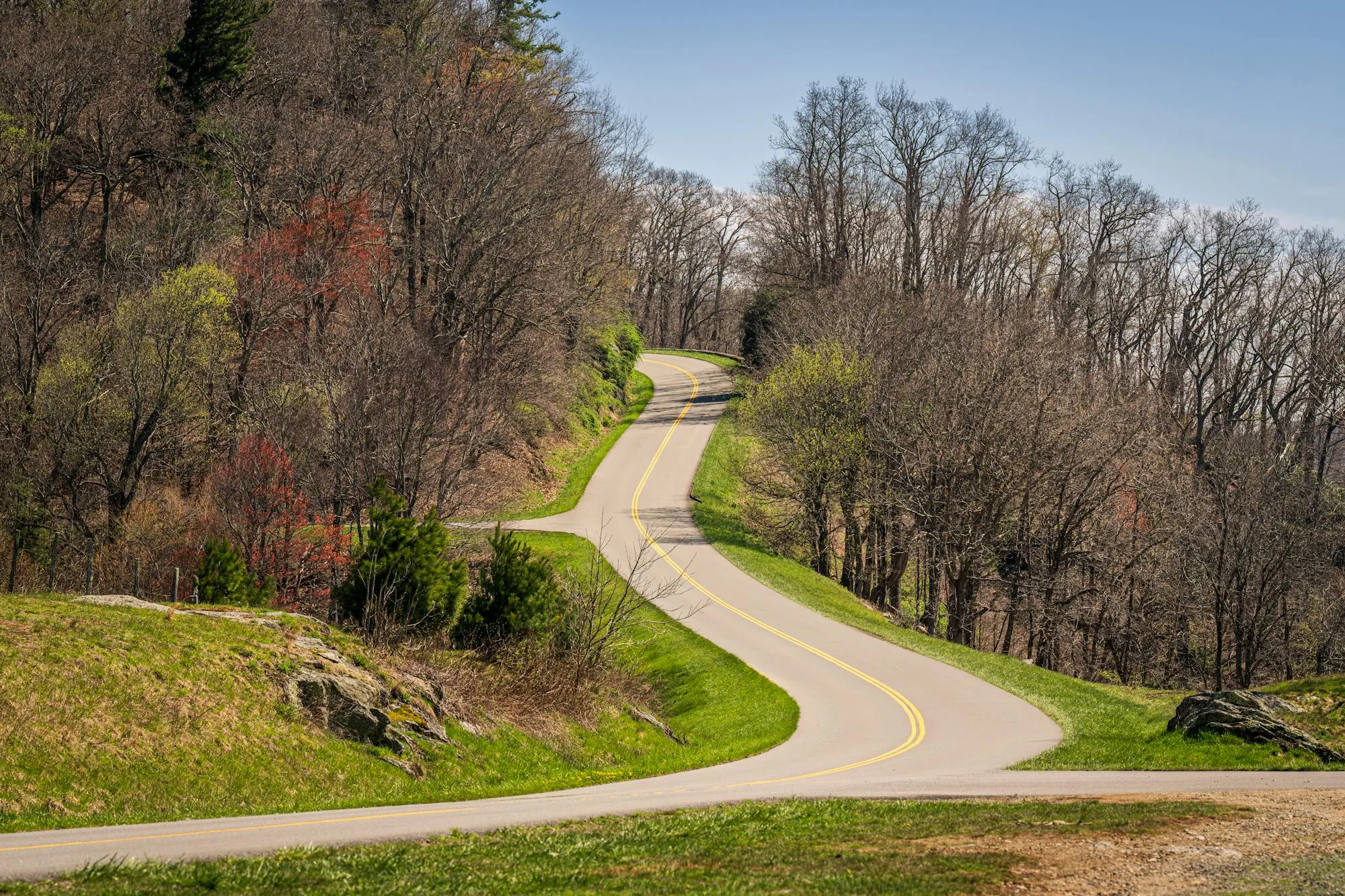
A winding asphalt road descending through the Appalachian Mountains, likely the famous Tail of the Dragon section in Tennessee and North Carolina. Multiple technical right-hand and left-hand curves are visible in this aerial perspective, surrounded by deciduous forest in spring foliage. Clear sunny conditions, well-maintained asphalt with yellow center lines marking the curves.
Mark Stebnicki / Pexels

The Truth on the Street

None of what follows comes from a spec sheet. It's what has reached me over years of listening to riders: conversations at events, owners who want to talk once the engine is switched off, and the messages that land in my inbox after somebody has lived with the bike for a season or two. The picture that comes back for the Dragster 800 is remarkably steady. Deep affection for a handful of things the bike does better than almost anything else, sitting alongside a short list of costs and irritations owners walked into with their eyes open.

Sound, Stoppers And Sheer Presence

Ask an owner what they would defend first and it is the inline-three. Riders describe how eagerly it climbs to the redline, the raspy note that comes with it, and a punch through the middle of the rev range that keeps running as the tach sweeps around. Braking earns nearly as much airtime. The word that keeps surfacing is confidence: monobloc calipers on twin discs with cornering ABS, huge force available and enough feel at the lever that riders trust it when they are riding hard. Handling gets discussed in terms of speed of direction change, and owners say the knottier the road, the more the bike makes sense. Then there is how it looks. Riders report being stopped and asked about it in public, and they point to the hand-welded trellis frame, the machined aluminum pieces, the carbon accents and the wire-spoked wheels as proof that somebody cared about the details.

What Owners Knowingly Signed Up For

Two gripes come up in almost every conversation. The first is ride compliance. Riders say the suspension stays firm however they set it, and that sharp hits on broken pavement come straight through and start to wear on them over a long ride. The second is the throttle low in the rev range, where owners describe an abrupt step as it comes back on and say town traffic asks for deliberate clutch work. Running costs are the third theme, and nobody calls ownership cheap. Valve inspections want specialist hands, consumables and parts carry the same premium as the motorcycle itself, service comes around often, and with few dealers about, a repair can turn into a wait. The one mechanical worry riders name specifically is the starter sprag clutch, which they say can let go without warning and strand you.

Known issues

  • Rear wheel spoke loosening (safety recall)

    chassis rare Recall

    On some 2017 models, the rear wheel spokes may loosen due to improperly treated nipples, causing handling instability and a crash risk. Affected units were recalled (NHTSA 17V772000) for wheel replacement.

  • Sprag clutch premature wear

    engine occasional

    The starter sprag clutch can fail, leading to a grinding noise on startup or inability to start; owners report replacement needed as early as 5,600 mi (9,000 km). Often requires engine case disassembly.

  • Electronic gremlins and dash resets

    electrics occasional

    Occasional glitches include TFT display resets, traction control warnings, and throttle position sensor faults; often resolved with a key cycle but sometimes require ECU update or sensor replacement.

  • Loose bolts and fasteners

    chassis occasional

    Owners note that various bolts and fasteners can vibrate loose over time, requiring periodic checks.

The Expert Benchmark

Where this MV Agusta Dragster 800 pulls ahead of — or falls behind — its rivals on the numbers, and the typical bike in its class on character.

What kind of bike this is — character vs. the class

This bike Class average

The shape of the MV Agusta Dragster 800 — numbers and character vs. the average Hyper Naked

Head-to-head: MV Agusta Dragster 800 vs. its rivals

The Handshake Score

Forget spec-sheet bragging. Here's who the Dragster 800 is actually built for.

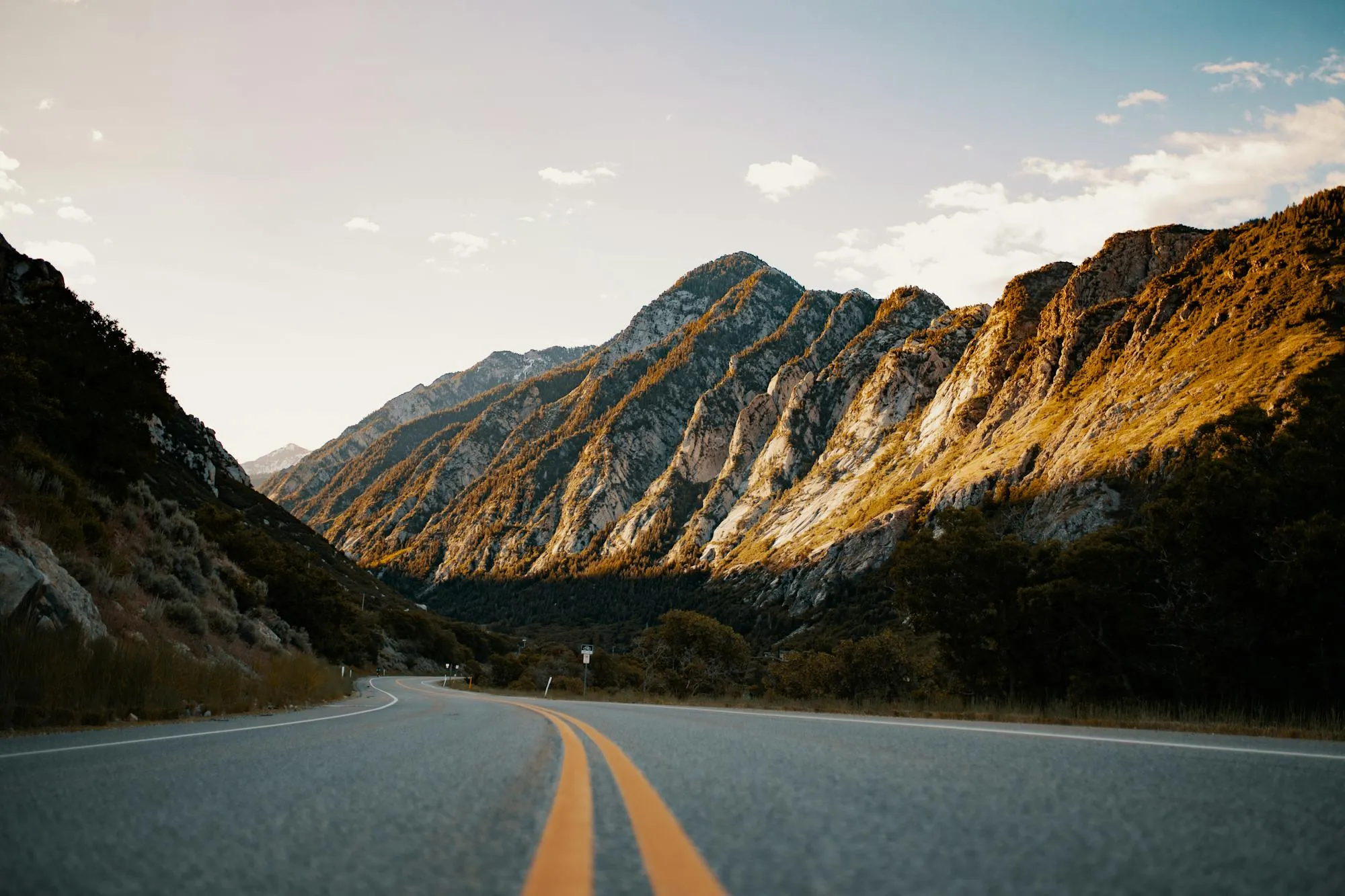
A scenic view of Angeles Crest Highway winding through rugged Southern California canyon terrain. Rocky mountainsides with golden earth tones frame the asphalt road with tight sweeping curves. Double yellow center line visible, sparse vegetation along the shoulders, clear blue sky with white clouds. Daylight, dry conditions. Iconic location for canyon-road enthusiasts.
Josh Sorenson / Pexels

Best motorcycle for Angeles Crest?

Angeles Crest is where this bike makes complete sense. It is short, sharp and loud, and it demands your full attention, which is exactly what you want on a Sunday morning run.

Made for Angeles Crest Highway · Coronado Trail / US 191 · Highway 1 / Big Sur
Best motorcycle for Texas Hill Country?

The twisty sections suit it perfectly. The long straight transits between them do not, so plan your fuel stops and accept a tight riding position if the roads are worth it.

Made for Austin / Texas Hill Country · Twisted Sisters · Austin / Handbuilt Motorcycle Show

Best motorcycle for Bay Area?

It will be the most photographed bike at the meeting point, and it backs those looks up on Skyline. Just know that commuting through city traffic on it is work, not relaxation.

Made for Bay Area Ridge Roads · San Francisco / Bay Area · Skyline Boulevard / Alice's Restaurant

Alternatives to the MV Agusta Dragster 800

If this one isn't quite the fit, these are the bikes worth riding back-to-back against it.

Any price note compares both bikes at the same age — the youngest age both have on the used market — against this MV Agusta Dragster 800. “cheaper/pricier” is what that bike costs second-hand, not how worn it is.