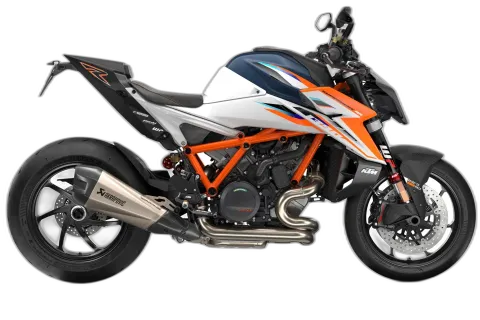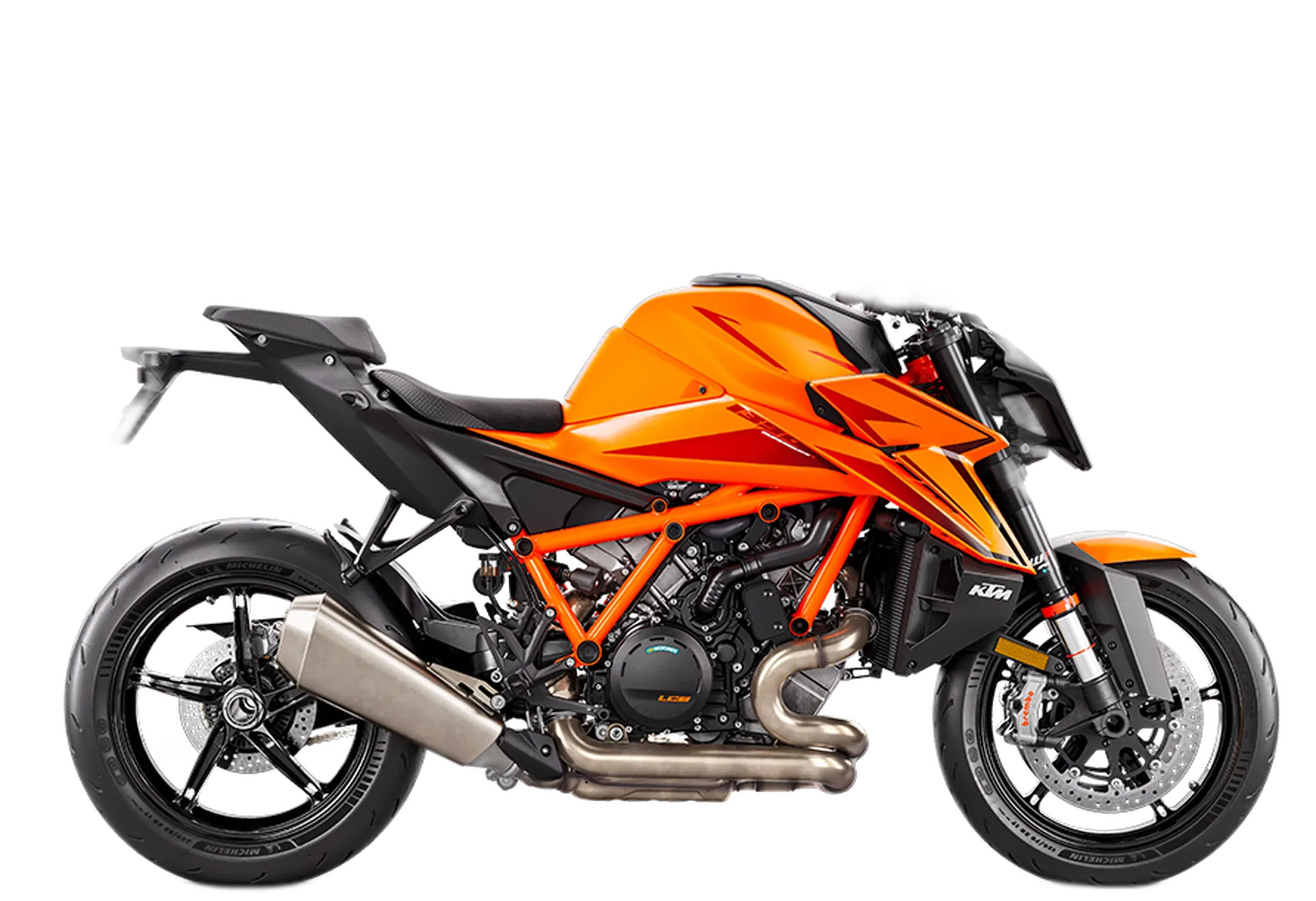
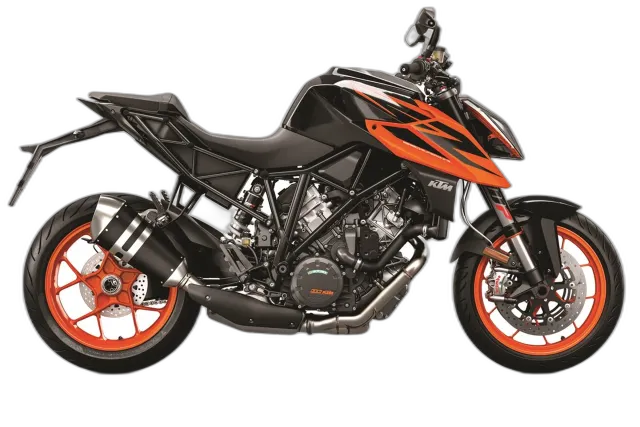
KTM 1390 Super Duke R (MY2024) — Hyper Naked
NastyNils / KTM press archive

2024–2025 · Hyper Naked · Buyer's Guide

1390 Super Duke R (MY2024)

The Beast That Learned Precision

The Machine's Character

At the heart of this Super Duke R sits KTM's 1350 cc LC8c V-twin, and it runs a CamShift variable-valve-timing setup that hands the bike two personalities. Down low the cams keep things tractable and street-civil. Cross the switching threshold and the high-lift profile wakes up, pulling relentlessly to the top of the tach. The result is 190 hp and 107 lb-ft, the most potent version KTM has built of this platform. This is the apex of the Duke family: a road-focused hyper naked with genuine supermoto attitude wired into every input.

On the road it splits its character cleanly. Below roughly 3,500 rpm in tall gears the twin feels rough, and in 5th or 6th at low revs it barely wants to run. Get it spinning and that vanishes; the LC8c charges hard and rewards a rider who keeps it lit. This bike is for someone who chose power and sharpness on purpose, not comfort. The honest caveat is ownership. It wants revs to feel its best, and a few features you'll genuinely want cost extra on top of the base price.

Hard Numbers

Spec sheets don't ride bikes, but they set the baseline.

Show full specs & equipment Hide specs & equipment
Key specifications
Power 190 hp (140 kW) @ 10,000 rpm
Torque 107 lb-ft (145 Nm) @ 8,000 rpm
Displacement 1350 cc
Engine 75° V-twin
Cooling Liquid-cooled
Gearbox 6-speed
Final drive Chain
Fork Upside-down (USD)
Front tire 120/70 ZR 17
Rear tire 200/55 ZR 17
Wheelbase 58.7 in (1491 mm)
Seat height 32.8 in (834 mm)
Fuel capacity 4.6 gal (17.5 L)
Top speed 180 mph (290 km/h)
Fuel economy 40 mpg (US)

Equipment check

Chassis

  • Front Suspension Adjustable Standard
  • Rear Suspension Adjustable Standard
  • Steering Damper Standard
  • Cruise Control Optional

Connectivity

  • TFT Display Standard
  • Smartphone Connectivity KTM Connectivity Unit (KTMconnect) Integrated navigationHandsfree phone integration Optional
  • USB Charging Port Standard

Lighting

  • LED Headlight Standard

Safety

  • ABS Standard
  • Cornering ABS Standard
  • Traction Control KTM Motorcycle Traction Control (MTC) Lean sensitive tractionSelectable ride modes Standard
  • Ride Modes KTM Ride-by-Wire (engine maps) Selectable ride modesRefined throttle response Standard
  • Launch Control Optional

The Voice of Experience

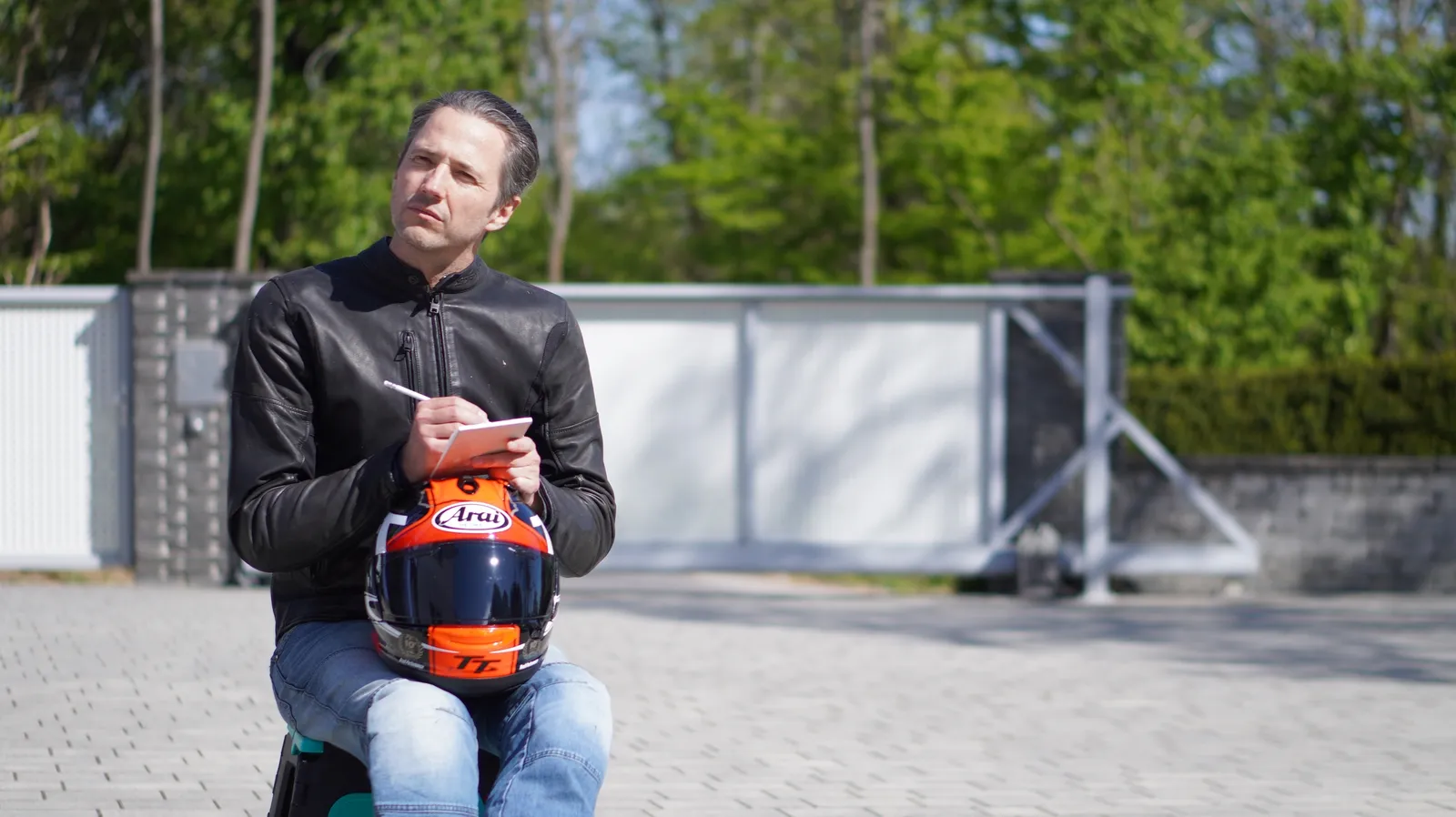
Portrait of NastyNils

The test ride

Swing a leg over and the thing feels alert before you've even moved. The V-twin has a hard, mechanical voice to it, one of the best-sounding engines in this class, and it thrums through the bars and pegs the way a big twin should. The upright supermoto layout hands you more command than the aggressive stance suggests; you sit on top of the bike and steer it with your body. What you notice at real pace is the tank. It's wide enough that moving your weight around in the saddle feels more penned-in than a bike this playful should ask for. Hold a steady highway cruise and the exposed riding position starts working against you, pushing wind into your chest until longer days wear on you. The quickshifter, when you've got it, snicks through the gears cleanly.

Rated point by point — where it earns its keep

My own 0–100 score for this bike against the class, area by area — the marker on each bar is the class average.

This is where the bike stops talking and starts proving it. At trackdays I have watched Super Duke riders run wheel to wheel with purpose-built supersport machines, and not only the quick group at the sharp end; it holds across every skill level. On our lap time sheet it dropped into times that belong to far more focused hardware. Not many naked bikes can make that claim honestly. The styling sets the same tone before the starter even spins: a lean, hunting look up front that unsettles you before the engine fires. It presents as extroverted and uncompromising, and the ride gives back every bit of it.

What stays with me most is how completely the old Super Duke jitters have been designed out. I put early bikes around this same circuit and spent every quick lap wrestling a jumpy front and a loose rear. The 1390 asks none of that. It tracks with genuine precision when the pace climbs, and it hides its mass through tight street corners and supermoto turns, feeling like a far smaller machine until I open the throttle. The tall stance throws a lot of frontal area into the airstream, so I braced for some wander through the fast sweepers; instead it stays composed at speeds few naked bikes hold this cleanly. The standard suspension, without the Evo's electronics, turns out to be a smartly judged setup that reads both road and track without complaint, and only riders chasing the absolute edge will start wishing for more stiffness. The rider aids do real work too, keeping all that force usable and bringing the front wheel back down in a measured way rather than snapping it.

It comes down to one thing that mattered more than anything else in my braking notes: haul it down hard and late into a corner, and the rear stays glued in place. It never skips, never patters, never asks me to manage the back while I am busy setting a line. I load the brakes, commit, and the tail holds precisely where I put it. On a bike carrying this much aggression, that planted composure is worth real confidence.

Two things define this engine for me. Roll off and it slows the bike cleanly, no snatch and no stepping out at the rear, and paired with a genuinely excellent quickshifter it turns hard downshifts into corners from a chassis chore into a smooth, ordered sequence. Then wind it back out and its priorities leave no room for doubt. The tune and electronics are built around one thing, peak output and drive that hits hard, and there is nothing here trying to flatter you or soften the delivery.

Over extended testing an electrical fault developed, and it turned serious enough to sideline me for a full track event. One incident against a lot of running, but not the kind of thing I want to babysit on a machine at this price. My other gripe is the bill beyond the sticker. The quickshifter is outstanding hardware that genuinely changes how the bike rides, yet it sits on the options list, and several other features follow the same pattern where some competitors include them from the start.

For a bike that looks this hostile, what caught me off guard is how much authority it hands me from the saddle; on a tight, technical layout that control is the whole reason it works. It isn't plush, and I won't pretend otherwise. At steady highway speed the tall seating leaves my chest in clean air with nothing to brace against, and the miles start to tire me. The broad tank also boxes in my legs, so moving with the bike feels tighter than its athletic character should ask.

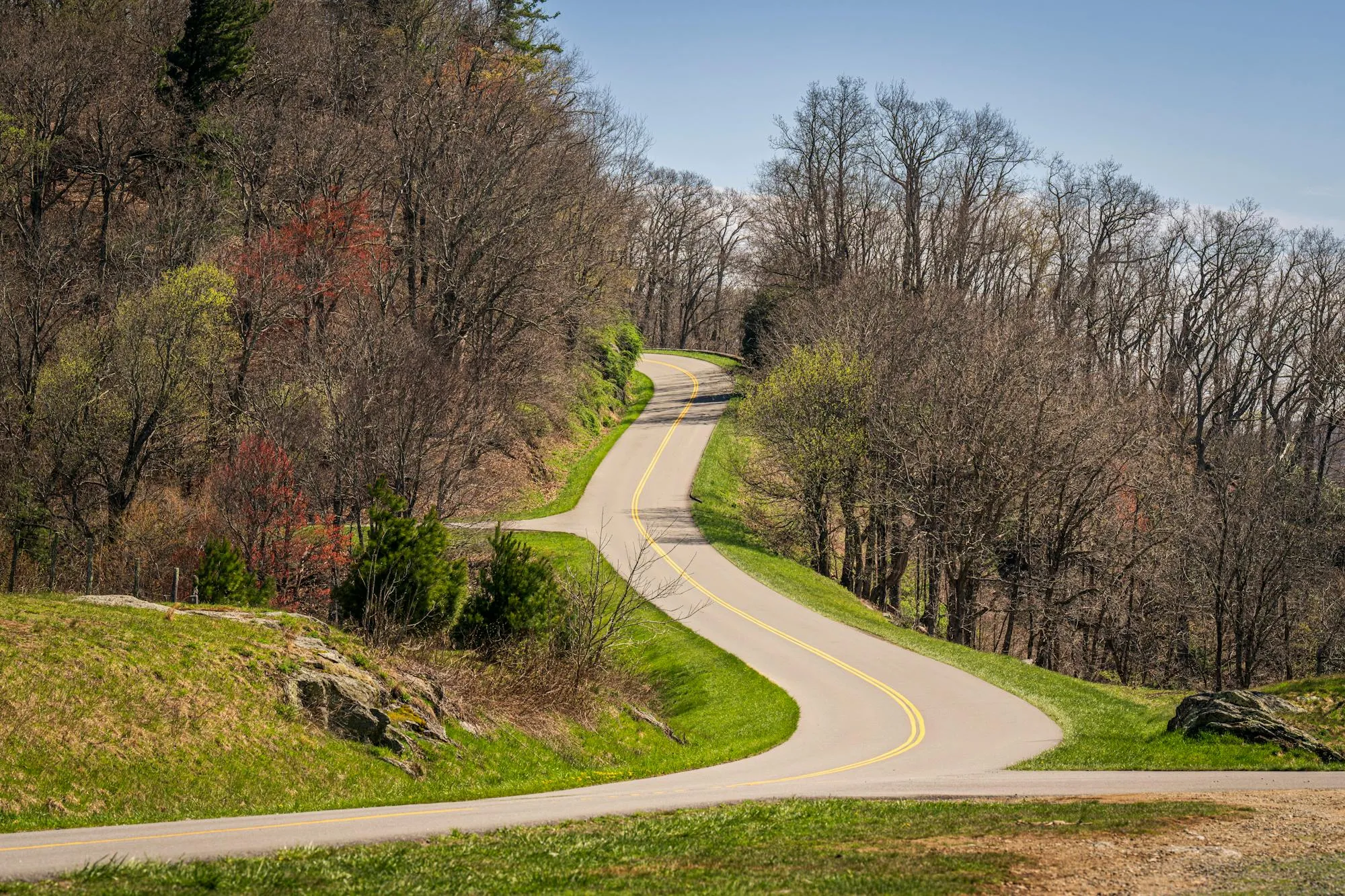
A winding asphalt road descending through the Appalachian Mountains, likely the famous Tail of the Dragon section in Tennessee and North Carolina. Multiple technical right-hand and left-hand curves are visible in this aerial perspective, surrounded by deciduous forest in spring foliage. Clear sunny conditions, well-maintained asphalt with yellow center lines marking the curves.
Mark Stebnicki / Pexels

The Truth on the Street

What follows isn't drawn from a single test ride. It's the sum of what I've heard over years of staying close to the people who actually own these bikes: long email threads, direct messages, questions that turn into real conversations, and the talk you pick up standing around after a session. For the 1390 Super Duke R the signal comes through clearly. Riders describe a machine that hasn't lost its ferocity yet has grown far easier to live with, alongside a handful of running-cost topics that surface again and again.

The changes riders stand behind

The engine collects the most agreement by a wide margin. Owners moving up from the 1290 describe a richer, more usable spread down low and through the middle, gentler throttle uptake, and a front end happier to stay planted, while insisting the savage top-end came through untouched. Handling draws similar reactions: more composed, easier to place, and far less demanding than before, with several riders saying the nervousness that shadowed the previous model no longer troubles them. The brakes earn consistent trust. Riders who dig into the ride modes and aids rate how deep and adjustable the system is, and the quickshifter, when a bike carries it, gets praised for clean, rev-matched changes in both directions. On the cost side, one point keeps coming up: the stretched gap between valve checks, roughly 37,000 miles (60,000 km), which owners tally as genuine savings over the life of the bike.

The ownership notes that stick

Price is the first thing riders raise, pointing out that it lands above the inline-four rivals they weigh it against. Fuelling is the other steady theme: at very low rpm and from cold, owners report abruptness and the occasional stall, common enough that a fair number go looking for a remedy. Rear tire life is the sorest point, with some reporting as many as five sets worn out inside a single year. On the Standard, the manually adjusted fork gets called choppy across rough, patched-up roads, and owners note the EVO's semi-active setup takes much of that away. And for all the straight-line speed, riders are frank that the bike carries real mass and isn't built for chasing a fast lap.

Known issues

  • Shift-cam (variable-valve-timing) sensor failure on the LC8

    engineoccasional

    The sensor that monitors the position of the intake CamShift mechanism has been reported to fail on early-production 1390s. Symptoms include traction-control warnings, quickshifter warnings, an engine-warning light, and in some cases limp mode. This component is new with the 1390's LC8 — it does not exist on the 1290 — so the issue is platform-specific to this generation. Reports include failures from as little as 470 km, 500 mi, and 700 km. In one documented case, a replacement bike supplied to an affected owner exhibited the same fault, indicating a possible early-batch quality problem rather than a one-off defect.

  • Oil temperature sensor fault triggering false TC / launch-control / ABS warnings

    engineoccasional

    Affected bikes display persistent warnings for traction control, launch control, and in some cases ABS; the oil-temperature display reads "---"; cruise control deactivates; on a cold start the oil-temperature reading shows 0 °C while ambient temperature is materially higher. Errors clear after restart but recur. Owners report dealers replacing the oil temperature sensor under warranty, after which the fault is resolved on the affected unit.

  • Cold-start stalling and snatchy fuelling at very low rpm

    fuel systemoccasional

    Owners report that the 1390 stalls at intersections when cold and feels abrupt at very low rpm. Multiple aftermarket calibrations (BT-Moto Stage 1, OpenFlash, BoosterPlug) market themselves specifically against this behaviour, and at least one 2025 SDR EVO owner reports the cold-start stalling resolved after a Stage 1 flash. The pattern is consistent with Euro 5+ lean calibration on large-displacement V-twins and is not indicative of a hardware defect.

  • Coolant weep at the rear thermostat housing screw

    coolingoccasional

    New / very-low-mileage 1390s have been reported to weep coolant from the rear thermostat housing area as the engine cools. At least two owners have reported identical symptoms, and in at least one case the first dealer reseal did not permanently solve the leak.

  • Front brake-fluid reservoir bracket vibration, with one documented failure

    brakesoccasional

    The brake-fluid reservoir vibrates excessively. A brake-fluid reservoir bracket snapped at approximately 9,000 mi, attributed to V-twin vibration. This has not yet been confirmed as a widespread pattern.

The Expert Benchmark

Where this KTM 1390 Super Duke R pulls ahead of — or falls behind — its rivals on the numbers, and the typical bike in its class on character.

What kind of bike this is — character vs. the class

This bike Class average

The shape of the KTM 1390 Super Duke R — numbers and character vs. the average Hyper Naked

Head-to-head: KTM 1390 Super Duke R vs. its rivals

The Handshake Score

Forget spec-sheet bragging. Here's who the 1390 Super Duke R is actually built for.

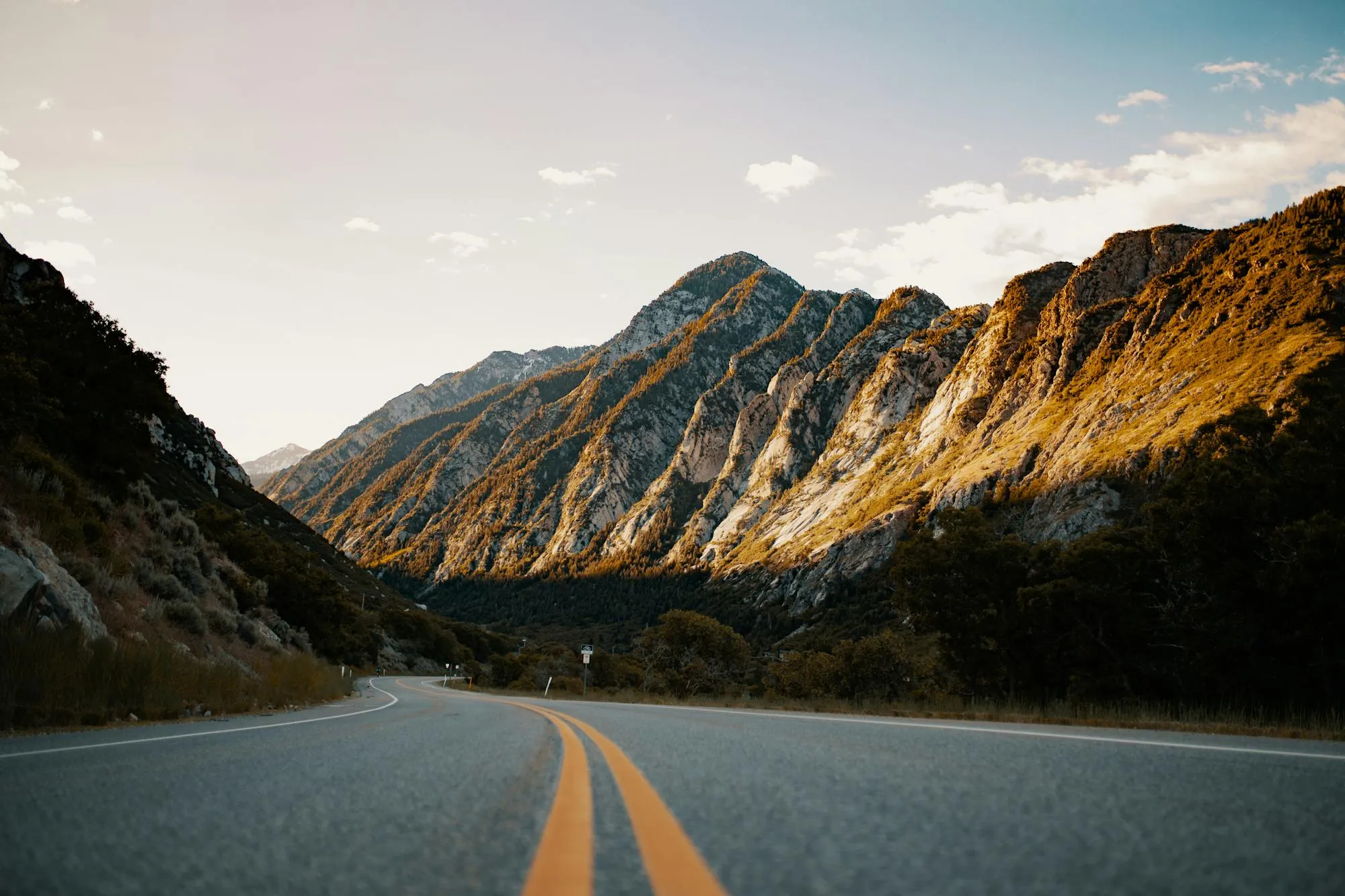
A scenic view of Angeles Crest Highway winding through rugged Southern California canyon terrain. Rocky mountainsides with golden earth tones frame the asphalt road with tight sweeping curves. Double yellow center line visible, sparse vegetation along the shoulders, clear blue sky with white clouds. Daylight, dry conditions. Iconic location for canyon-road enthusiasts.
Josh Sorenson / Pexels

Best motorcycle for Angeles Crest?

This is your canyon weapon. It carves the Angeles Crest twisties with real precision and the drive to launch between corners, and the aids keep all 190 hp usable on unpredictable public pavement.

Made for Angeles Crest Highway · Coronado Trail / US 191 · Highway 1 / Big Sur
Best motorcycle for Laguna Seca?

On a closed circuit this bike belongs. The chassis stays composed at speed, the quickshifter makes downshifts clean, and it runs with dedicated track machinery. Just budget for the extras that sharpen it.

Made for Barber Motorsports Park · WeatherTech Raceway Laguna Seca · Circuit of the Americas

Best motorcycle for Tail of the Dragon?

Built for the technical stuff. On tight Tail of the Dragon corners it feels lighter than it is and turns with precision, rewarding skill over straight-line speed while the aids keep the power in check.

Made for Back of the Dragon · Blue Ridge Parkway · Cherohala Skyway

Alternatives to the KTM 1390 Super Duke R

If this one isn't quite the fit, these are the bikes worth riding back-to-back against it.

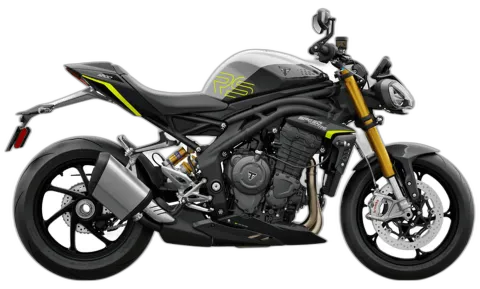
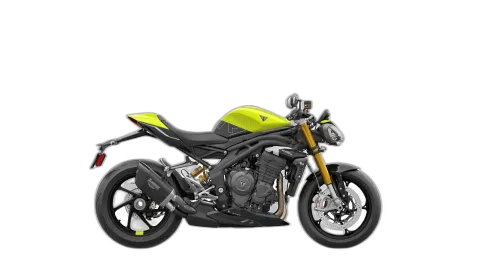
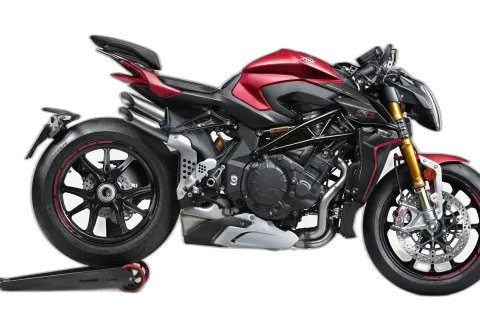
Any price note compares both bikes at the same age — the youngest age both have on the used market — against this KTM 1390 Super Duke R. “cheaper/pricier” is what that bike costs second-hand, not how worn it is.