·

KTM Freeride E-XC (MY2014) — Electric Off-Road
NastyNils / KTM Press

2014–2020 · Electric Off-Road · Buyer's Guide

Freeride E-XC (MY2014)

The Dirt Bike Nobody Hears Coming

The Machine's Character

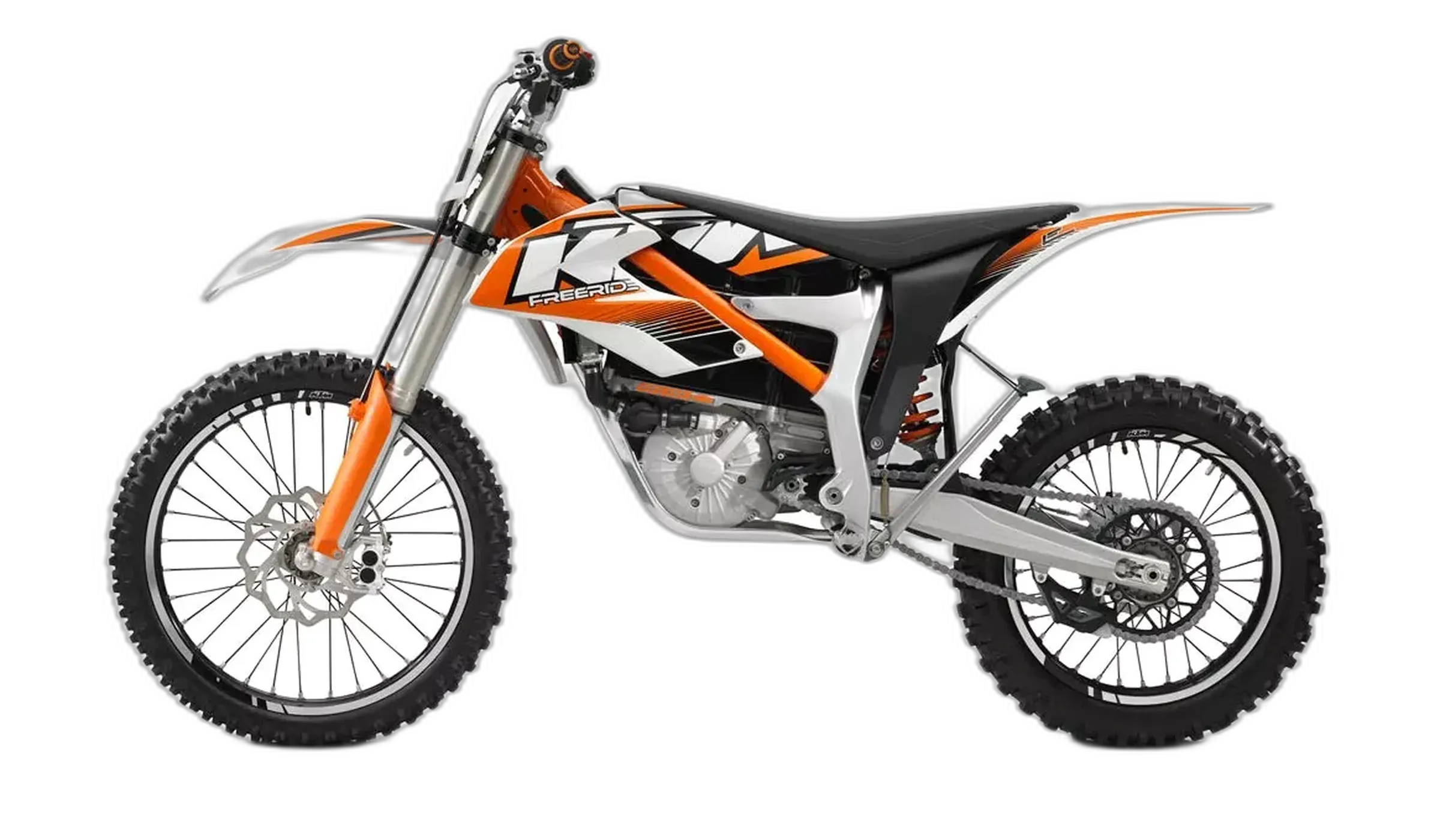
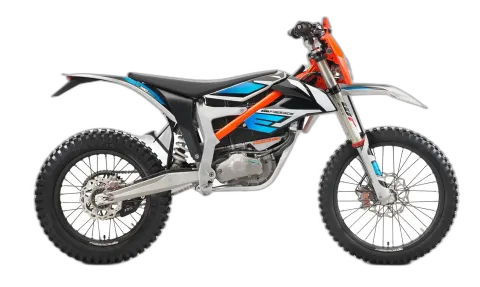
When this bike arrived, a fully sorted electric dirt machine from a major factory still felt like a concept. The Freeride E-XC made it production reality. A liquid-cooled electric motor sends 22 hp and 31 lb-ft through a single-speed drive, so there is no clutch and no gearbox to manage. The chassis is real KTM hardware: an aluminum perimeter frame, an upside-down fork, and 13.4 in (340 mm) of ground clearance under a light, narrow body. It set an early benchmark for how good a silent off-road bike could actually be built.

On the trail it rides like a compact enduro that happens to make no noise, and that silence reshapes when and where you ride. It is genuinely light and easy to place in technical terrain, which is exactly what the slickrock and tight-woods crowd wants. The honest caveat is range and the logistics around it. One charge covers an after-work session with room to spare, but long fire-road connectors drain it fast, and chasing more range means hauling a generator along. The 12V system also needs watching. Treat it as a focused tool, not an all-day machine.

Hard Numbers

Spec sheets don't ride bikes, but they set the baseline.

Show full specs & equipment Hide specs & equipment
Key specifications
Power 22 hp (16 kW)
Torque 31 lb-ft (42 Nm)
Engine Electric
Cooling Liquid-cooled
Gearbox 1-speed
Frame Aluminum perimeter
Fork Upside-down (USD)
Front brake 260 mm
Rear brake 230 mm
Front tire 90/90-21
Rear tire 120/90-18
Wheelbase 57.5 in (1460 mm)
Ground clearance 13.4 in (340 mm)
Front travel 9.8 in (250 mm)
Rear travel 10.2 in (260 mm)
Seat height 35.4 in (900 mm)

Equipment check

Lighting

  • LED Headlight Standard

The Voice of Experience

Portrait of NastyNils

The test ride

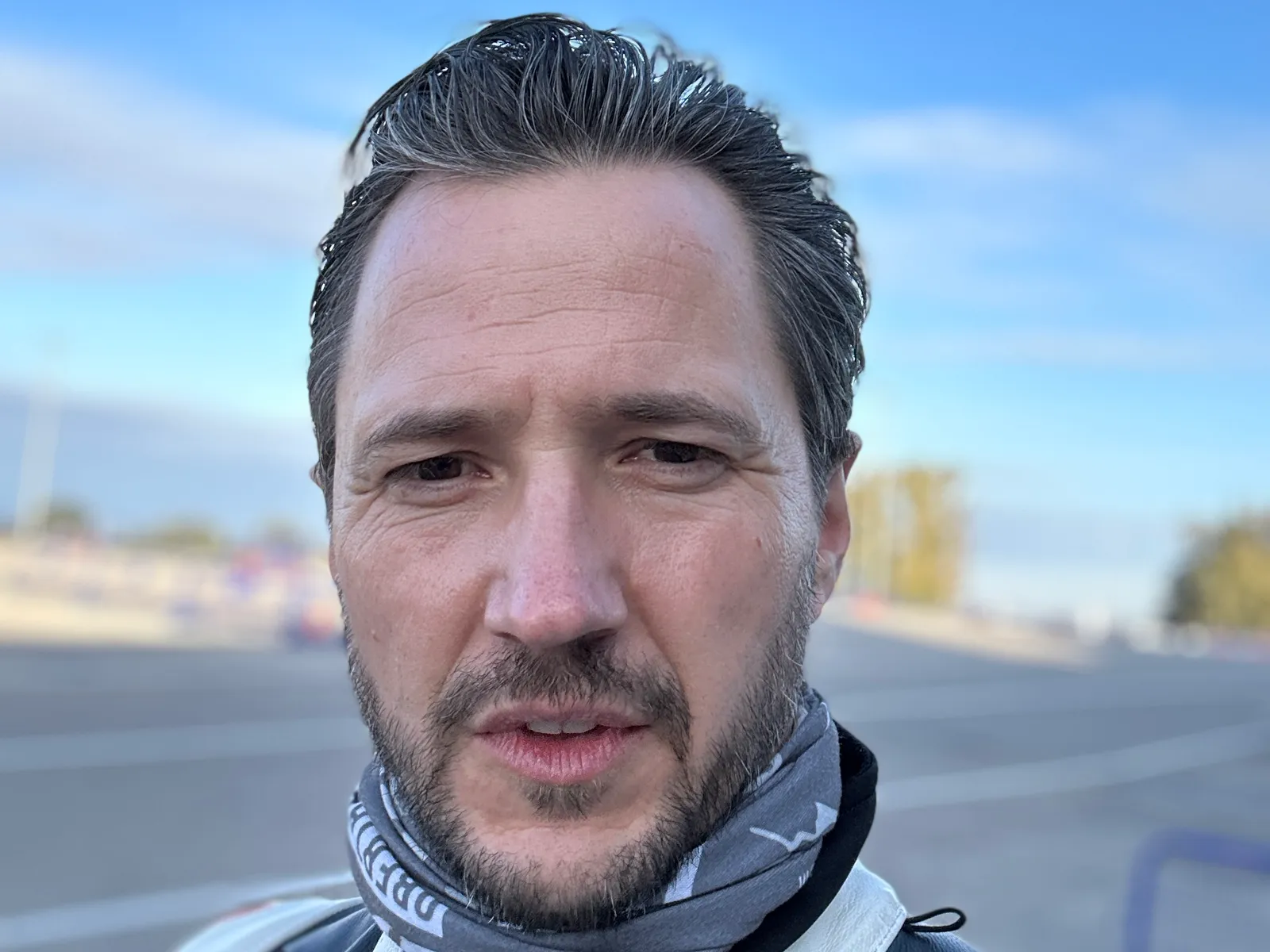
Roll away and the first thing your ears report is nothing, just tire on dirt and the faint whir of the motor, which is why you can ride it out your own front door at six in the morning without a single neighbor reaching for a phone. The torque, though, is no joke. Gas it from a standstill in a snowy yard and you will carve furrows in the lawn that are still there in spring. Threading dense woods at walking pace, your hands and feet simply ride: no clutch to feather, no stall to catch, nothing to manage but line and grip. I put a 9-year-old on the bike ahead of me with his feet on the pegs and felt secure from the first foot, no hot pipe near his legs. The only place it goes flat is the long, straight connector, where the silence stops being magic and just feels empty.

Rated point by point — where it earns its keep

My own 0–100 score for this bike against the class, area by area — the marker on each bar is the class average.

I went in expecting the silence to cost me something once the terrain got serious, and it didn't. Run side by side with a bigger gas enduro across my usual proving ground, the Freeride got over everything the larger bike did, including a few long, steep climbs I'd quietly bet against it on. It just kept finding traction and going up. Whatever you give up by going electric, getting through the hard, technical bits isn't on that list.

There's a split personality to the power that takes a session to read. Down low it's precise, and I could feed in throttle while the motor tracked every small request without snatching or spitting the back end sideways. Open it hard from a dead stop, though, and it hits with far more than the hushed delivery lets you expect. Treat the first few feet the way you would on a gas enduro and it'll chew straight into the dirt. The near-silence buys you no restraint at all.

Capability, for me, comes down to whether you actually reach for the bike. It asks for almost no prep and makes almost no noise, so I'd grab it in odd gaps I'd never fuel a gas machine for, with the kids out on their bicycles in the driveway. Those small windows stacked into real riding. The exception is the long open run between trails, where nothing happens and you can feel the battery bleeding away beneath you. A gas bike simply does that job better.

Comfort on this bike is really about what your hands and brain don't have to do. Pick your way through the tight, slow stuff and there's no clutch in the picture, nothing waiting to cut out and catch you off guard, no stockpiling speed for the next obstacle. You just point it and look where you want to be. Even crawling along at barely a walk the power stays smooth and there for you, so the pinch points stop feeling like traps.

What reshapes ownership here is how little friction the bike creates around other people. I've ridden it hard past hikers and along the edge of mountain-bike trails without anyone getting bent out of shape, and most pedestrians just watched it go by as a curiosity rather than a nuisance. That low profile is also why it carries more than a rider: I set a kid on the bench in front of me with his feet planted on the pegs and never worried about a scorching pipe or the thing toppling if it cut out. The range question everybody raises before they throw a leg over mostly answered itself over weeks of use, with the pack ready whenever I had a slot to ride and good for the whole of it. The one place the simplicity breaks is when you want a second charge in the field, because then you're committing to a generator and the easy-going idea falls apart.

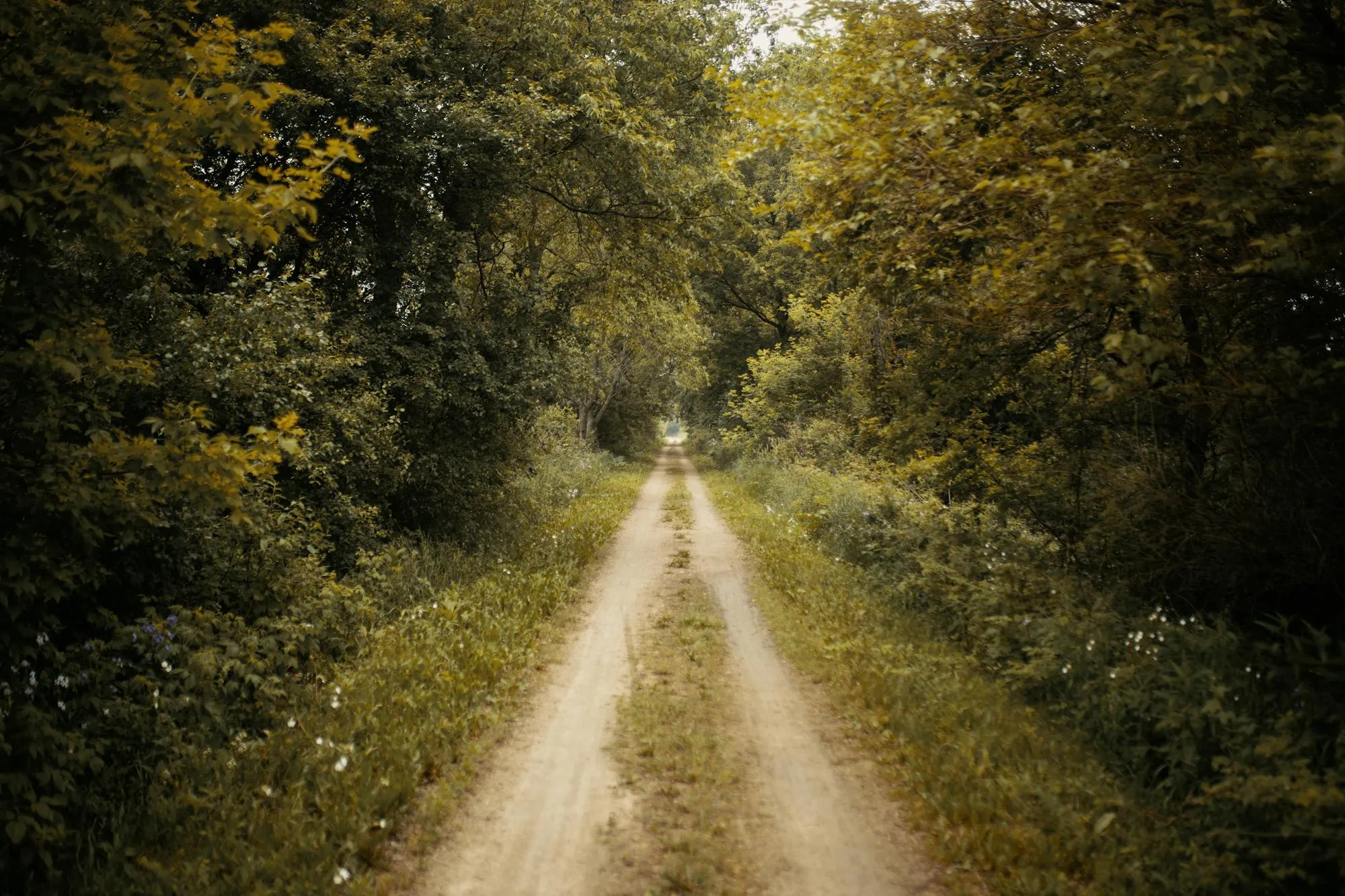
A gravel forest trail winds through dense greenery in both directions, with twin tire tracks visible on the unpaved surface. The road recedes into perspective, bordered by mature trees and summer foliage. No motorcycle or rider visible. Daylight, natural forest setting, clear conditions.
Josh Sorenson / Pexels

The Truth on the Trail

This isn't my own test ride. It's what has reached me over the years through comments on my videos, long forum threads, paddock talk, and the steady run of emails and direct messages from owners. For this bike the chatter falls into a clear shape: broad agreement on how it rides, and a short list of practical snags that keep returning.

Where the trail crowd agrees

Handling sits at the center of the praise. Riders repeatedly describe a nimble, confidence-inspiring machine that shrinks tight singletrack and makes technical ground feel within reach. The power draws the same agreement: instant, linear torque delivered smoothly and silently, easy to meter at the wrist. Plenty note how light and flickable it feels for a roughly 245 lb (111 kg) dry weight. Owners deep into the hours add that it's solidly built and runs more reliably than most electric dirt bikes.

The snags that keep returning

Range is the complaint heard most. Push the pace and some say the battery's done in 15 to 20 miles, ending a long ride early unless you packed a second. A handful raise the cost, over $11,000 when new. Others single out the small 12V battery that feeds the controls, which drains fast and never tops up while you ride, now and then leaving them stranded.

Known issues

  • 12V auxiliary battery drain

    electricscommon

    The 12V battery that powers the ignition and electronics can drain rapidly, and the motorcycle does not charge it during operation. Riders often need to carry a spare or replace the battery frequently.

The Expert Benchmark

Where this KTM Freeride E-XC pulls ahead of — or falls behind — its rivals on the numbers, and the typical bike in its class on character.

What kind of bike this is — character vs. the class

This bike Class average

Head-to-head: KTM Freeride E-XC vs. its rivals

The 'Should I Buy It?' Score

Forget spec-sheet bragging. Here's who the Freeride E-XC is actually built for.

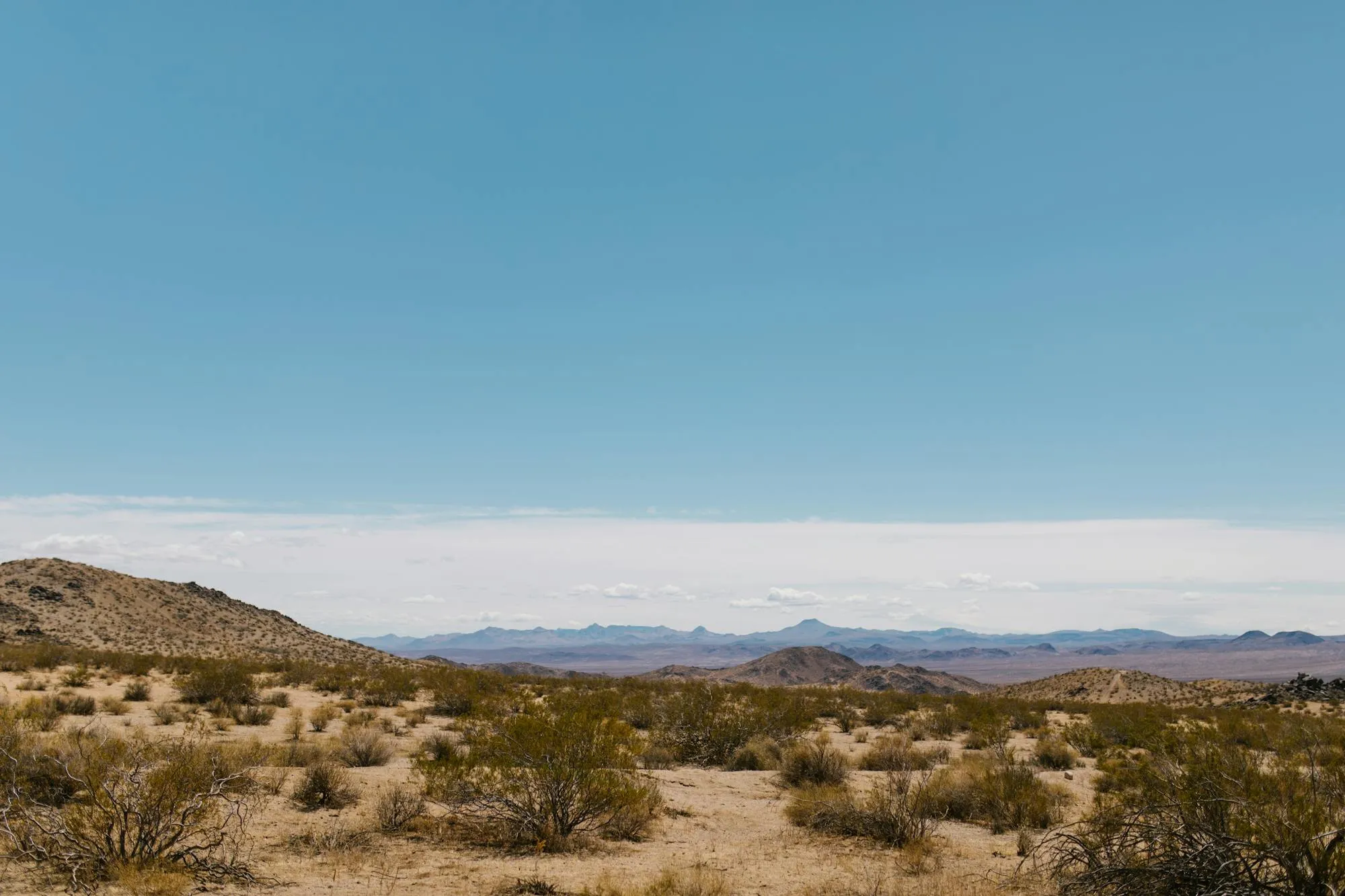
Wide desert landscape at Ocotillo Wells, California, showing sandy arid terrain with sparse desert scrub in the foreground, a rocky hill to the left, and a distant mountain range along the horizon. Clear blue sky with a thin band of light clouds at mid-height. No motorcycle or person visible. Pexels stock photograph by RDNE Stock Project, likely used as a mood or location establishing shot for an electric trail-riding editorial.
Rdne Stock Project / Pexels

Best motorcycle for Moab?

For tight, technical day rides on slickrock and rocky lines, it's light, sure-footed, and clears obstacles a bigger enduro respects. Just keep loops short; long desert distances outrun one charge.

Made for Bar M / Kane Creek · Imperial Sand Dunes · Johnson Valley OHV Area
Best electric dirt bike?

This is your bike. Near-silent, low-maintenance, and ready with almost no prep, it suits day use on private tracks and public land, and it lets you ride windows of time a gas bike would waste.

Made for Carnegie State Vehicular Recreation Area · Johnson Valley OHV Area · Moab