
Royal Enfield Shotgun 650 (MY2024) — Cruiser
Royal Enfield Press

2024 · Cruiser · Buyer's Guide

Shotgun 650 (MY2024)

2.5 / 5 NastyNils Rating · against its class

The Torque Surfer's Cruiser

The Machine's Character

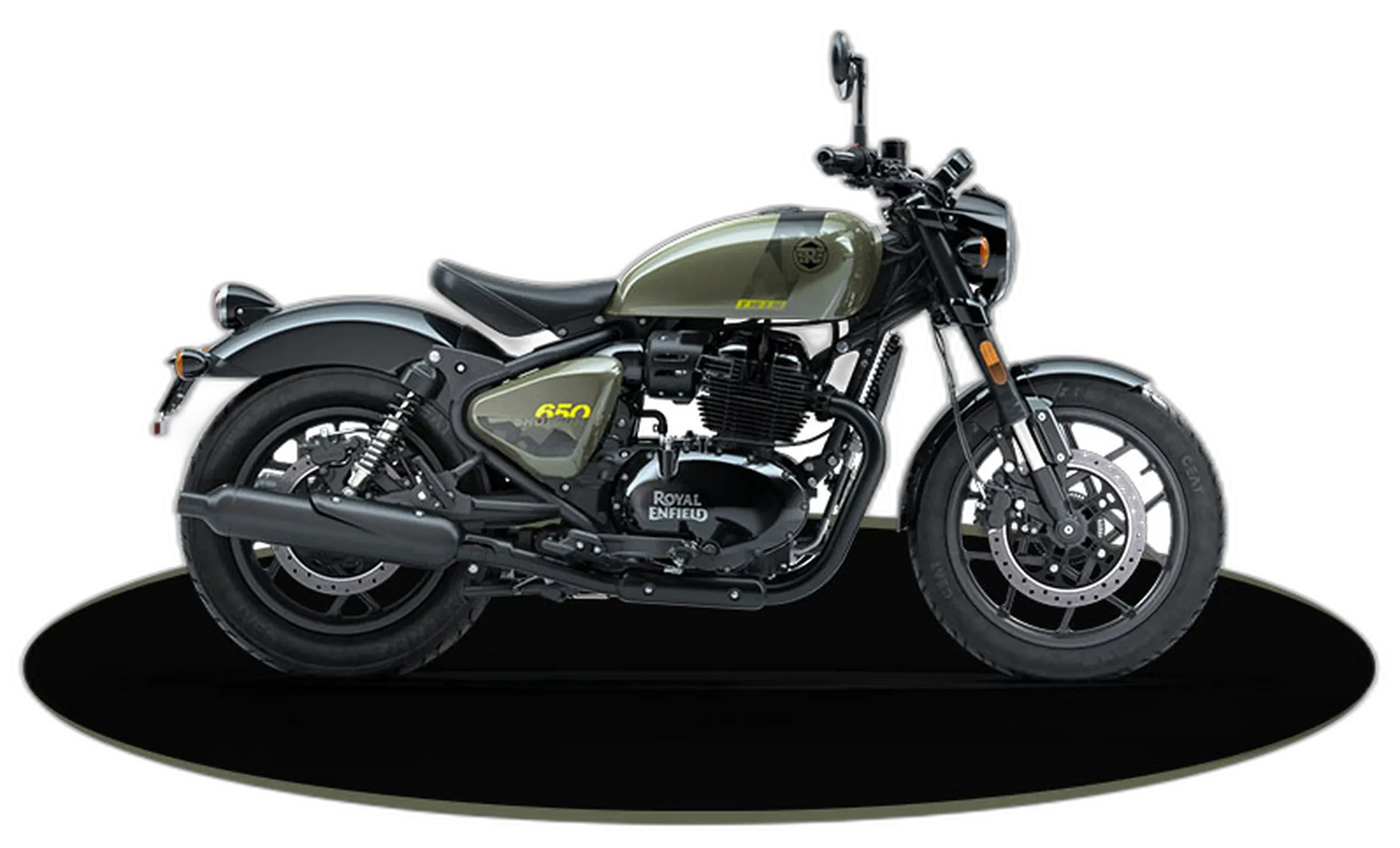
The Shotgun 650 is Royal Enfield's custom-shop take on a cruiser, built around the 648 cc air/oil-cooled parallel twin with its 270-degree crank. On paper the numbers are modest, 47 hp and 39 lb-ft, but the way they arrive is the whole point: low, steady, always sitting right under your wrist. The chassis comes off the Super Meteor 650 platform with sportier wheels and geometry, an 18-inch front and a fat 150-section rear, a steel tube frame, and a Showa SFF-BP fork. Removable pillion seat, factory paint options, and a deep accessory catalog let you build it into a solo bobber or a two-up cruiser.

It rides the way it looks, and it ages honestly. The 31.3-inch (795 mm) seat puts almost anyone flat-footed, the 529 lb (240 kg) sits low enough that the weight stops registering once you roll, and 52 mpg plus simple air-cooled hardware keeps the cost of owning one down near the floor. The limit is scope, not quality. This is a back-road machine rather than an interstate tool, and nothing about the factory build supports loaded travel, so luggage is on you. Buy it for the stance, the character, and the pace it sets. Buy something else to cross states in a weekend.

Hard Numbers

Spec sheets don't ride bikes, but they set the baseline.

Show full specs & equipment Hide specs & equipment
Key specifications
Power 47 hp (35 kW) @ 7,250 rpm
Torque 39 lb-ft (52 Nm) @ 5,650 rpm
Displacement 648 cc
Engine Parallel twin
Cooling Air/oil-cooled
Gearbox 6-speed
Final drive Chain
Fork Upside-down (USD)
Front tire 100/90-18
Rear tire 150/70-17
Wheelbase 57.7 in (1465 mm)
Seat height 31.3 in (795 mm)
Wet weight 529 lb (240 kg)
Fuel capacity 3.6 gal (13.8 L)
Fuel economy 52 mpg (US)

Equipment check

Chassis

  • Rear Suspension Adjustable Standard

Lighting

  • LED Headlight Standard

Safety

  • ABS Standard

Signature Tech

The named systems that set this bike apart — and what each one does for you.

Suspension

  • Showa SFF-BP (Separate Function Fork – Big Piston) Standard
    • Precise front end feedback
    • Agile weight reduction
    • Damping tuning to style
    • Sag tuning for weight

The Voice of Experience

Portrait of NastyNils

The test ride

Swinging a leg over tells you most of what you need to know. Feet flat on the ground, bars sitting close, a seat that drops you into the bike instead of perching you on top of it. At walking pace all 529 lb (240 kg) are right there in your legs and you plan your parking spot accordingly. Fire it up and the 270-degree twin falls into that offbeat cadence, present in the bars and the tank without ever going harsh, more felt than heard. On a two-lane at 55 or 60 the whole machine just hums, hands loose, wind pushing steadily on your chest. An hour in, my shoulders had dropped and my internal clock had quietly rolled back about forty years. That is the Shotgun's real trick, and it does not wear off.

Rated point by point — where it earns its keep

My own 0–100 score for this bike against the class, area by area — the marker on each bar is the class average.

Mechanically it gave me no reason to worry. Rough roads, rain, heat, not a single service stop, and the panels were still tight and silent at the end of it. Nothing rattled, nothing broke, and one nut on the clutch lever was the sum total of the damage. Range is the weak spot. Ask the motor for everything and the tank empties faster than you plan for, which turns a multi-day trip into a fuel-stop schedule.

I ended up doing most of my slowing with the back wheel, which is not how I usually work, but the rear on this bike has genuine feel and real authority behind it. The front is the disappointment. The lever moves, the bike slows, and nothing else reaches my hand. Squeeze deeper and the response stays flat instead of building. At the pace this thing wants, that is survivable. It never becomes reassuring.

What I keep coming back to is how little the chassis tells me. It is stable, it holds a line, it changes direction without argument once the pace picks up, but the front tire keeps its business to itself. Nothing meaningful arrives through the bars or the seat. Some riders will read that calm as a feature. I prefer knowing what is happening underneath, and here I am riding behind glass.

The Showa hardware reads better than its travel numbers suggest. Broken tarmac passes underneath without upsetting anything, and only a sharp, abrupt hit gets through to me in an ugly way. The catch is posture. There is exactly one way to sit on this bike, and a few hours in, my knees start filing complaints. Leaning onto the tank or dropping the rear pegs out helps a little. Both are workarounds, not fixes.

This is a wrist engine. I never once caught myself hunting for a power peak. Crack the throttle low in the rev range and it rolls forward at a calm, even gait that matches everything else about the machine. The limit arrives early, though. Holding freeway speed means running it flat out, and doing that for an hour at a stretch got old fast. Back roads are where this motor belongs.

The Shotgun refuses to be hurried, and after a while I stopped fighting it. Faster riders came past and I found I had no interest in going with them. What replaced that was attention. I started noticing the road I was actually on, the towns, the light, the shape of the next few miles. The relaxed drivetrain and that old-school seating position do it to you, and the effect stayed with me long after I got off.

There is nowhere sensible to attach luggage, so anything you carry gets improvised. On a week-long rally our crew ran out of ideas and lashed bags to the turn signal stalks. That held for a while, then it stopped holding, and the day ended with a snapped stalk and a strip of tape as the field repair. Plan on buying aftermarket hardware before you load this bike up, not after.

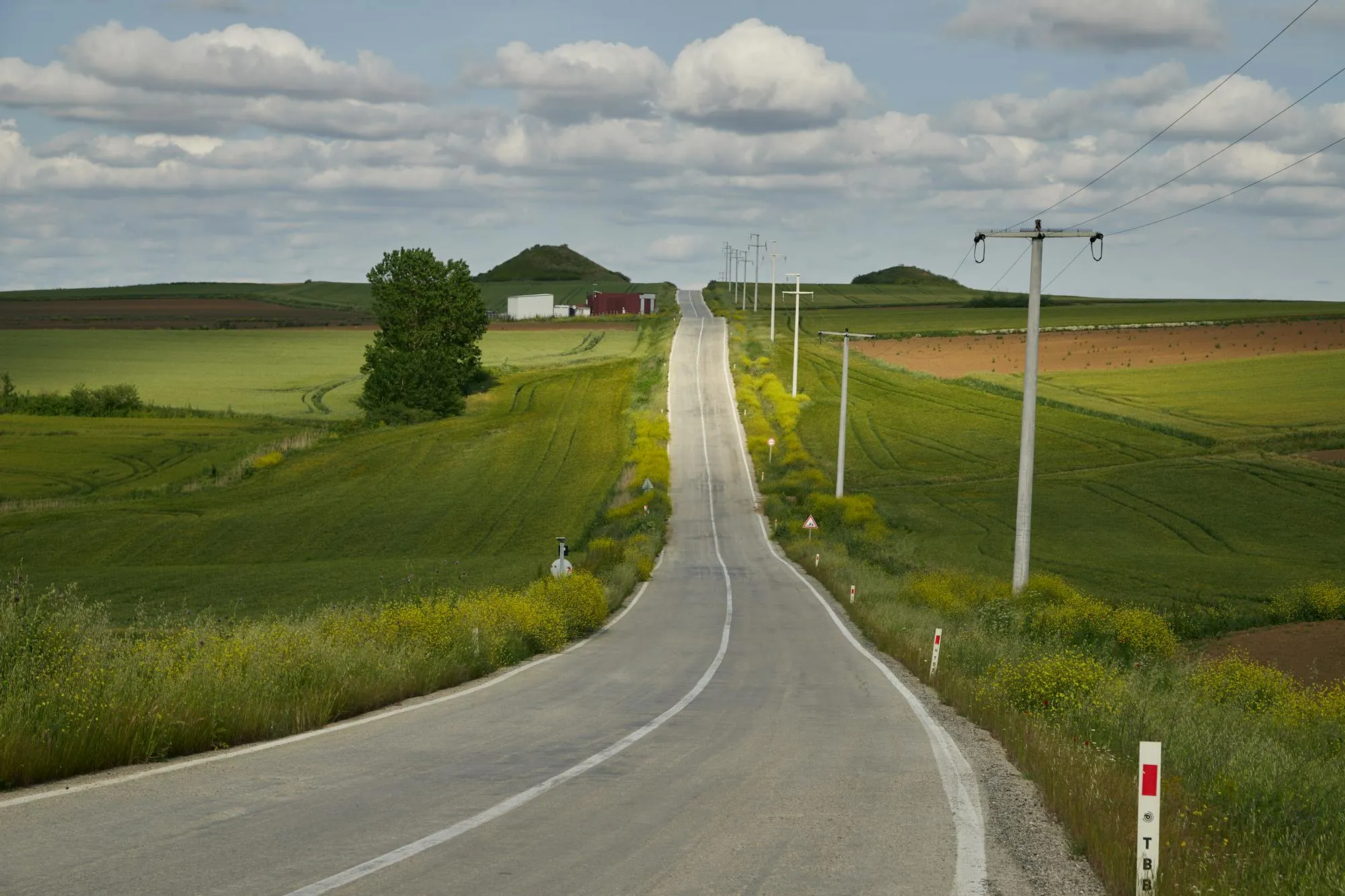
A long, straight paved road stretches toward the horizon through agricultural fields in Vermont. Power lines and a mailbox are visible along the roadside. Lush green vegetation, cumulus clouds, good daylight conditions. The landscape is flat to gently rolling. Asphalt pavement appears to be in good condition. Rural American setting.
Meric Tuna / Pexels

The Truth on the Street

Nils has been collecting this one the slow way: paddock conversations, club-night talk, owners who stop him in parking lots, and the mail riders send him directly. On the Shotgun 650 the chatter runs consistent. Riders fall hard for the look and the character, and the complaints gather around what the bike leaves out.

Custom looks and a throaty twin

Two things come up in nearly every conversation. First the styling: teardrop tank, floating seat, cast aluminum headlight surround, hand-painted pinstripes. Riders read it as a factory-custom job rather than another cruiser off the rack. Second the twin, throaty in its exhaust note and strong down low, engaging without ever asking more of them than they wanted. Plenty add that it steers lighter than the silhouette suggests.

Where the shine wears thin

The gripes run just as consistent, starting with mass. From there owners point at what is absent: no traction control, no ride modes, no slipper clutch. The factory tires draw a recurring complaint, fine in the dry and short on confidence in the wet, with enough owners swapping them early that it comes up as routine advice. The twin rear shocks come up as well, firm over broken surfaces and unforgiving on longer days.

Known issues

  • Electrical relay failures

    electrics rare

    Some owners have reported relay contacts failing, which can cause intermittent starter, lighting, or fuel pump issues. The problem appears sporadically and usually resolves with relay replacement.

The Expert Benchmark

Where this Royal Enfield Shotgun 650 pulls ahead of — or falls behind — its rivals on the numbers, and the typical bike in its class on character.

What kind of bike this is — character vs. the class

This bike Class average

The shape of the Royal Enfield Shotgun 650 — numbers and character vs. the average Cruiser

Head-to-head: Royal Enfield Shotgun 650 vs. its rivals

The 'Should I Buy It?' Score

Forget spec-sheet bragging. Here's who the Shotgun 650 is actually built for.

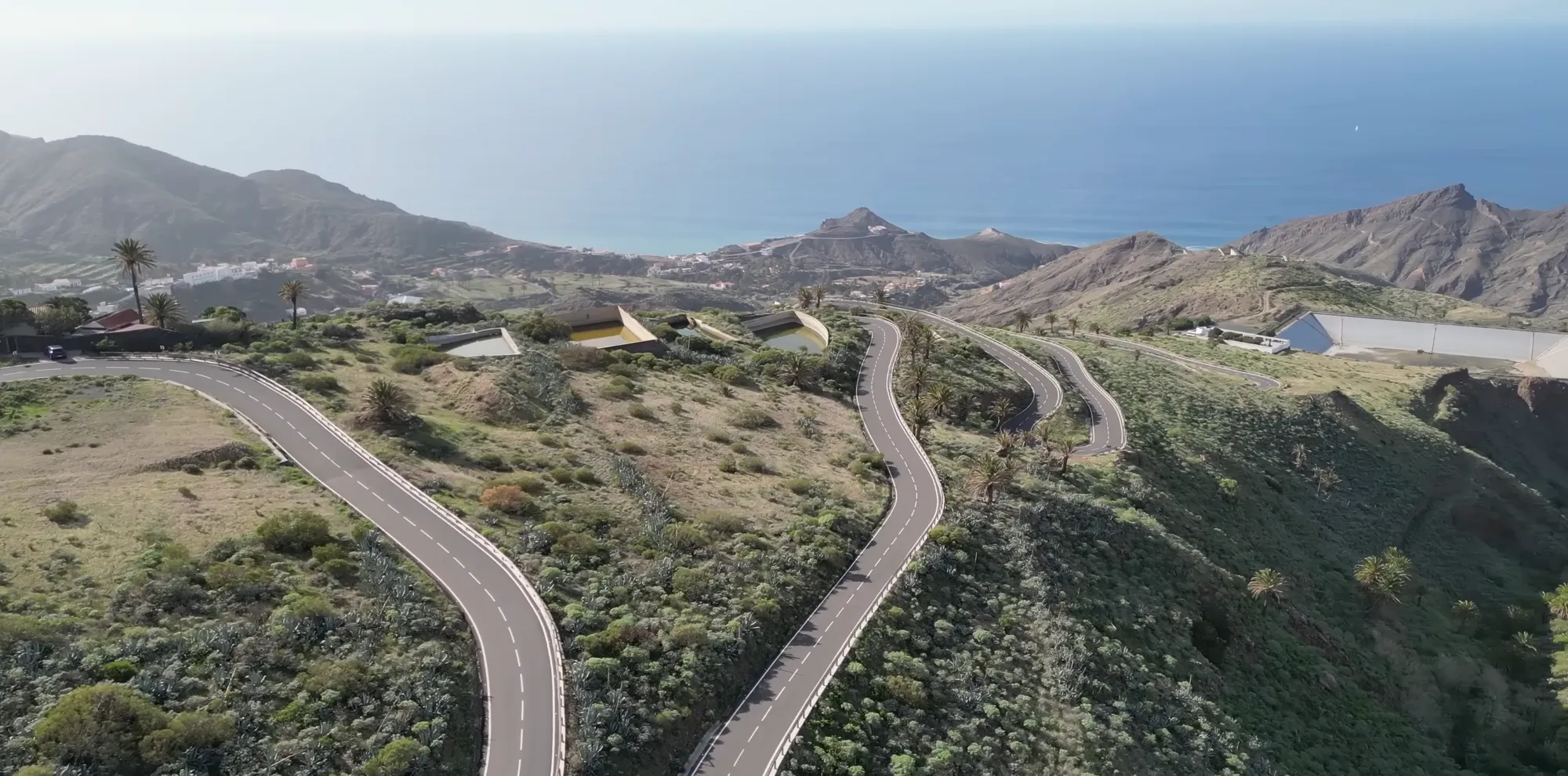
Aerial view of a winding asphalt road cutting through volcanic terrain on La Gomera, Canary Islands. The road curves through sparse green vegetation with rocky volcanic peaks visible in the background and a settled valley to the left. Clear lane markings, dry climate, partly cloudy sky.

Best cruiser for Sturgis?

If the rally itself is the point, this one rolls in with genuine stance and a look people walk over to inspect. Just budget for the slog between towns, because the highway miles are where it works hardest.

Made for A1A — Florida Atlantic Coast · Black Hills / Sturgis Rally Hub · Daytona Main Street / Bike Week
Best retro motorcycle for road trips?

Back roads through small towns are exactly what this bike is built for. It sets an unhurried pace, costs almost nothing to run, and looks right parked outside anywhere you stop.

Made for Acadia National Park · Austin / Handbuilt Motorcycle Show · Blue Ridge Parkway

Best touring motorcycle for long distance?

Honestly, not your bike. The motor works flat out to hold freeway speed, the 3.6 gal (13.8 L) tank empties quickly at that pace, and there is no factory luggage to load.

Made for Beartooth Highway · Blue Ridge Parkway · Going-to-the-Sun Road

Alternatives to the Royal Enfield Shotgun 650

If this one isn't quite the fit, these are the bikes worth riding back-to-back against it.

Any price note compares both bikes at the same age — the youngest age both have on the used market — against this Royal Enfield Shotgun 650. “cheaper/pricier” is what that bike costs second-hand, not how worn it is.