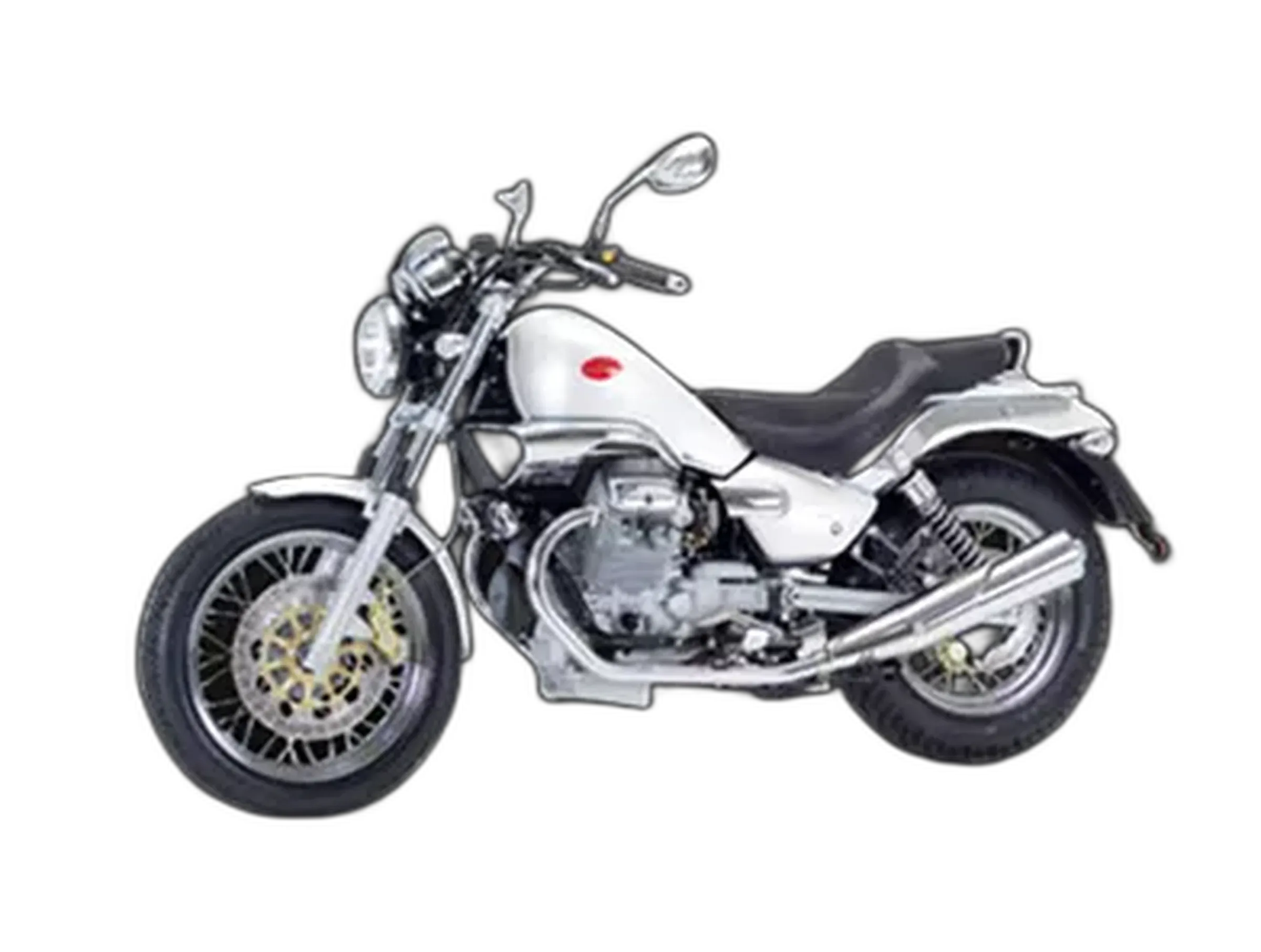


Moto Guzzi Nevada 750 Classic (MY2008) — Cruiser
Moto Guzzi Press

2008–2011 · Cruiser · Buyer's Guide

Nevada 750 Classic (MY2008)

2.5 / 5 NastyNils Rating · against its class

Italian Soul, Shaft Drive

The Machine's Character

The Nevada 750 Classic hangs Moto Guzzi's transverse 90-degree V-twin out in the airstream: 744 cc, air-cooled, fuel injected, good for 49 hp and 42 lb-ft that lands at just 3,600 rpm. Shaft drive keeps the back end clean, a steel double cradle holds it together, and the whole bike weighs 406 lb wet with the saddle 29.9 inches off the pavement. Small cruiser by the numbers, but it neither looks nor feels like a starter machine. The 58.3-inch wheelbase, the slim 18-inch front wheel and the fat 130-section rear give it real chopper proportion, and the detailing holds up at arm's length.

Ride it the way it wants to be ridden and it makes sense fast. The torque is all there by 3,600 rpm, so you short-shift, sit back, and let the twin loaf along at road pace. A 110 mph top end exists, but it is nowhere near the point. Around 48 mpg, no chain to maintain, and simple hardware keep the cost of ownership genuinely low over the years. This suits a rider who wants Italian character without Italian drama, or who needs a low seat and weight they can handle. The caveat is maintenance discipline: the sump is small, the engine runs warm, and the oil level wants checking often.

Hard Numbers

Spec sheets don't ride bikes, but they set the baseline.

Show full specs & equipment Hide specs & equipment
Key specifications
Power 49 hp (36 kW) @ 6,800 rpm
Torque 42 lb-ft (57 Nm) @ 3,600 rpm
Displacement 744 cc
Engine 90° V-twin
Cooling Air-cooled
Gearbox 5-speed
Final drive Shaft
Fork Telescopic
Front brake 320 mm
Front tire 100/90-18
Rear tire 130/90-16
Wheelbase 58.3 in (1481 mm)
Seat height 29.9 in (760 mm)
Fuel capacity 3.7 gal (14 L)
Top speed 110 mph (177 km/h)
Fuel economy 48 mpg (US)

Equipment check

Chassis

  • Rear Suspension Adjustable Standard
A long, straight paved road stretches toward the horizon through agricultural fields in Vermont. Power lines and a mailbox are visible along the roadside. Lush green vegetation, cumulus clouds, good daylight conditions. The landscape is flat to gently rolling. Asphalt pavement appears to be in good condition. Rural American setting.
Meric Tuna / Pexels

The Truth on the Street

This part is not my seat time. It is what riders have told me over the years: paddock talk, club nights, owner chats in parking lots, and the messages that land in my inbox. On the Nevada 750 Classic the praise is about how it moves, and the criticism is narrow and specific.

It Turns Better Than It Looks

Riders raise the handling before anything else. It feels light once rolling, flickable through bends, settled when leaned over, and quick enough that owners talk about keeping pace with sportier machinery on a twisty road. The engine earns the same credit for its mid-range pull, crisp pickup and sound. Newer riders credit the wide bars and forgiving clutch. Owners also single out the styling, an Italian read on the cruiser shape that stands apart from the mass-market Japanese bikes.

The Buzz Riders Keep Mentioning

The recurring complaint is a buzz near 3,500 rpm that turns intrusive on long highway runs; it clears above and below that band. Taller riders report a cramped cockpit, buckhorn bars and little room between seat and pegs. Some owners mention a five-speed that shifts with a long throw and an audible clunk, and chrome that goes off if the bike lives outside or meets winter salt.

Known issues

  • Oil consumption

    engine occasional

    Several owners report that the small sump capacity combined with the engine's tendency to run hot can lead to noticeable oil usage, especially when new or ridden hard. Regularly checking the level is advised.

  • Bevel box breather clogging and leaks

    drivetrain occasional

    The final drive bevel box can leak oil if the breather becomes clogged with rust or dirt, causing internal pressure build-up. Regular cleaning of the breather is recommended.

The Expert Benchmark

Where this Moto Guzzi Nevada 750 Classic pulls ahead of — or falls behind — its rivals on the numbers, and the typical bike in its class on character.

What kind of bike this is — character vs. the class

This bike Class average

The shape of the Moto Guzzi Nevada 750 Classic — numbers and character vs. the average Cruiser

Head-to-head: Moto Guzzi Nevada 750 Classic vs. its rivals

The 'Should I Buy It?' Score

Forget spec-sheet bragging. Here's who the Nevada 750 Classic is actually built for.

Aerial view of a winding asphalt road cutting through volcanic terrain on La Gomera, Canary Islands. The road curves through sparse green vegetation with rocky volcanic peaks visible in the background and a settled valley to the left. Clear lane markings, dry climate, partly cloudy sky.

Best cruiser for Sturgis?

You get the stance, the metal, and an engine with a real accent. What you do not get is big-inch volume or the brand ritual that scene runs on, so come for the character, not the crowd.

Made for Black Hills / Sturgis Rally Hub · A1A — Florida Atlantic Coast · Daytona Main Street / Bike Week
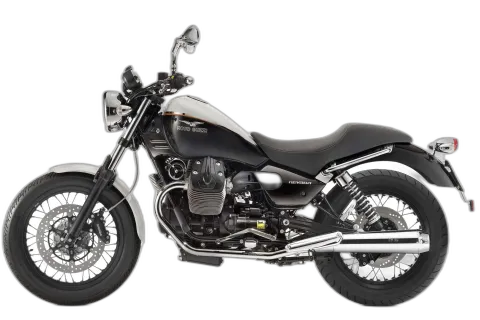
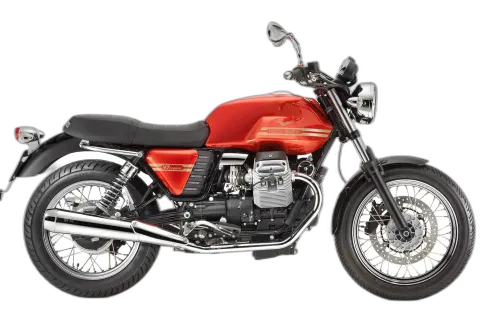
Best retro motorcycle for road trips?

This one is built for your weekends. Small towns, unhurried back roads, about 48 mpg, and a shape that earns a second look outside every diner you park in front of.

Made for Acadia National Park · Austin / Handbuilt Motorcycle Show · Blue Ridge Parkway

Best touring motorcycle for long distance?

Straight answer: look elsewhere for big touring days. A 3.7-gallon tank, 49 hp and no cruise control or center stand make loaded cross-country riding harder than it needs to be.

Made for Beartooth Highway · Blue Ridge Parkway · Going-to-the-Sun Road

Alternatives to the Moto Guzzi Nevada 750 Classic

If this one isn't quite the fit, these are the bikes worth riding back-to-back against it.

Any price note compares both bikes at the same age — the youngest age both have on the used market — against this Moto Guzzi Nevada 750 Classic. “cheaper/pricier” is what that bike costs second-hand, not how worn it is.