·

Suzuki V-Strom 1050 XT (MY2020) — Adventure
NastyNils / Suzuki press archive

2020 · Adventure · Buyer's Guide

V-Strom 1050 XT (MY2020)

The V-Twin That Stays Honest

The Machine's Character

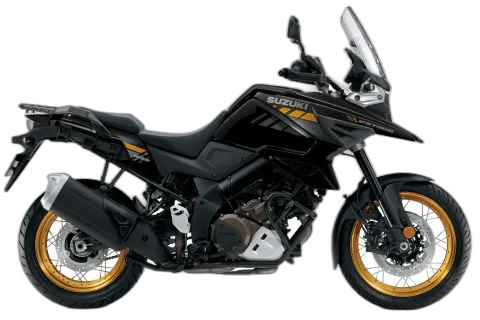
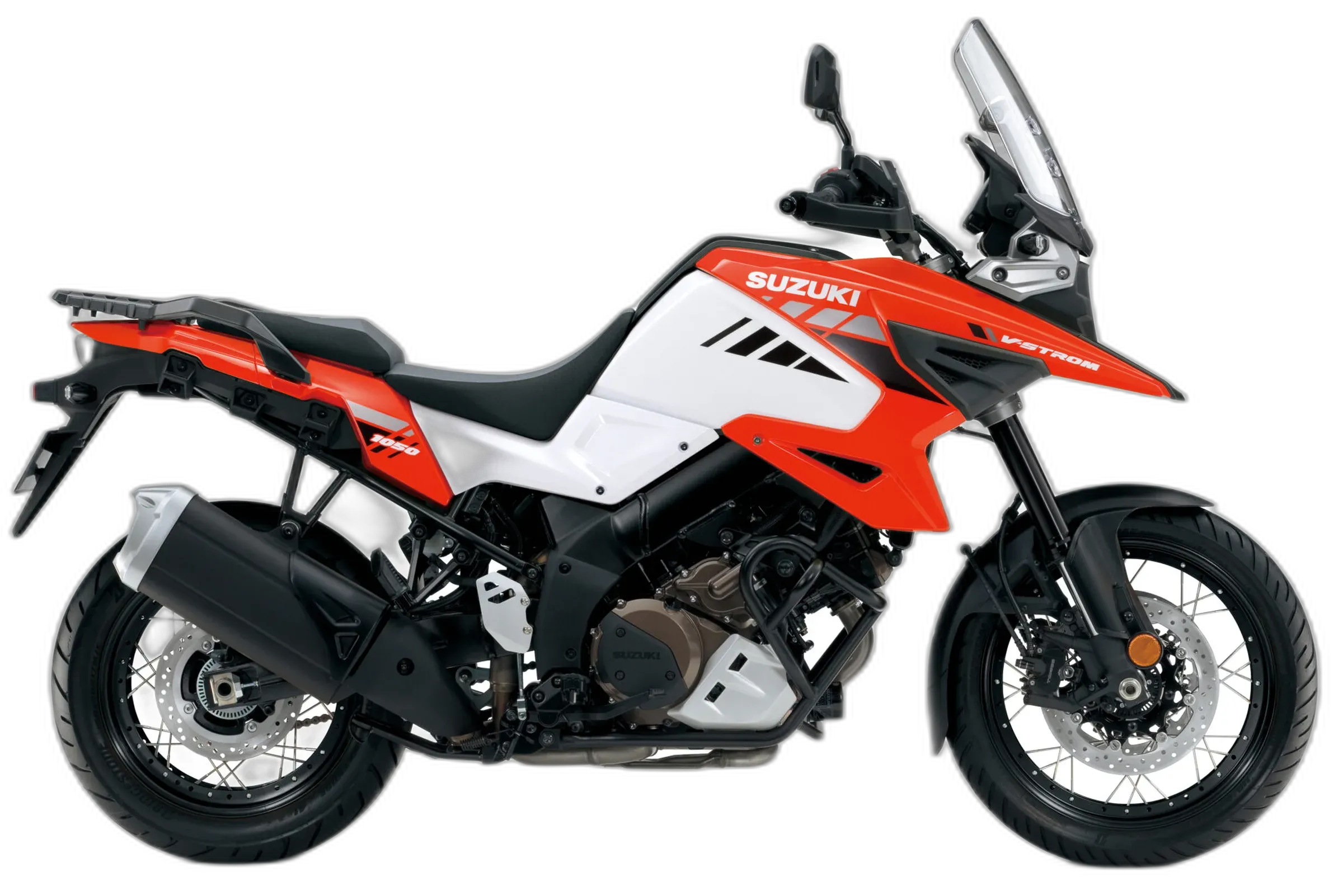
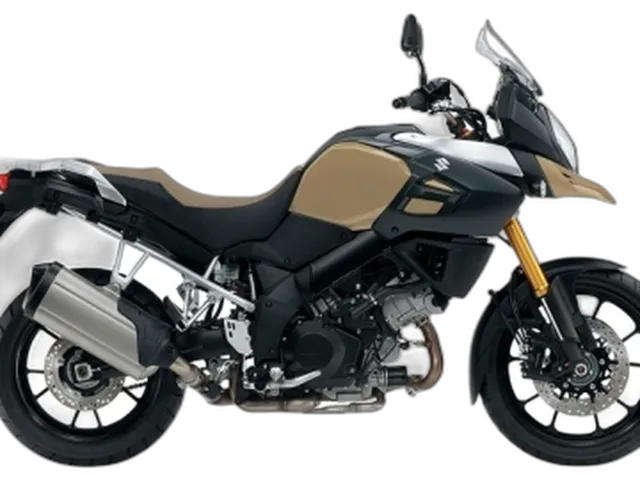
Suzuki's 90° V-twin runs a long bloodline, from the TL1000 through the SV1000 and DL1000, and in the 1050 XT it arrives with higher compression and a ride-by-wire throttle. The result is 107 hp and 74 lb-ft from 1037 cc, an engine sized for real touring rather than spec-sheet bragging. What sets the XT apart is its IMU. Instead of reading wheel speed alone, the electronics sense lean and pitch, so the cornering ABS works as a genuine safety net rather than a checkbox. On a road-biased chassis with a 19-inch front, this is the sensible big-ADV of the lineup.

It rides like a bike built to be lived with. The V-twin pulls cleanly from low revs and stays smooth across long days, the kind of refinement that lets you stop thinking about the machine and watch the road instead. Dependability is a real strength here, and that matters more than peak horsepower when you are a long way from home. Who is it for? Riders who cover big miles on pavement with the occasional gravel detour, not anyone chasing a hardcore dirt machine. At 545 lb wet with a 33.5-inch seat, the XT asks for a deliberate hand in parking lots, and the sharpest throttle map feels jumpy in town.

Hard Numbers

Spec sheets don't ride bikes, but they set the baseline.

Show full specs & equipment Hide specs & equipment
Key specifications
Power 107 hp (79 kW) @ 8,500 rpm
Torque 74 lb-ft (100 Nm) @ 6,000 rpm
Displacement 1037 cc
Engine 90° V-twin
Bore × stroke 100 × 66 mm
Compression 11.5:1
Cooling Liquid-cooled
Fuel system EFI, ride-by-wire
Gearbox 6-speed
Final drive Chain
Frame Aluminum twin-spar
Fork Upside-down (USD)
Front brake 310 mm
Rear brake 260 mm
Front tire 110/80-R19, tubeless
Rear tire 150/70-R17, tubeless
Wheelbase 61.2 in (1555 mm)
Ground clearance 6.3 in (160 mm)
Front travel 6.3 in (160 mm)
Rear travel 6.3 in (160 mm)
Seat height 33.5 in (850 mm)
Wet weight 545 lb (247 kg)
Fuel capacity 5.3 gal (20 L)
Fuel economy 48 mpg (US)

Equipment check

Chassis

  • Front Suspension Adjustable Standard
  • Rear Suspension Adjustable Standard
  • Cruise Control Standard

Comfort

  • Heated Grips Optional
  • Adjustable Windscreen Standard
  • Adjustable Seat Height Standard
  • Luggage System Optional

Connectivity

  • Navigation Optional
  • USB Charging Port Standard

Drivetrain

  • Slipper Clutch Standard

Lighting

  • LED Headlight Standard

Safety

  • ABS Standard
  • Cornering ABS Suzuki Motion Track Brake System Cornering brake safety Standard
  • Traction Control Standard
  • Ride Modes Standard

The Voice of Experience

Portrait of NastyNils

The test ride

Spend a few weeks aboard and a habit forms: you head out for a quick errand and somehow take the scenic loop home. The V-Strom keeps your appetite for open road alive even on days that don't call for it. Around town it commutes without fuss, then the moment the road starts to bend it carves without ceremony, and the switch between the two feels immediate. The riding position is upright and roomy, the sort that keeps your shoulders loose deep into a long day. You do feel the XT's extra hardware in slow work, though. The crash bars and center stand add weight up high, so tight parking-lot turns and walking-pace maneuvers want a firmer, more deliberate hand than the standard bike asks for.

Rated point by point — where it earns its keep

My own 0–100 score for this bike against the class, area by area — the marker on each bar is the class average.

What carries the braking here isn't anything at the lever, it's the IMU working behind it. That sensor reshapes how the ABS thinks, letting it factor in the bike's lean and pitch rather than wheel rotation alone. Grab a hard stop while aimed down a steep grade and it picks up the rear wheel starting to lift sooner, then manages the rest more cleanly than a wheel-only system can. I've felt that come good in actual riding, which is the only courtroom that counts for a braking aid.

The one thing that gives me pause on this trim is the kit the XT bolts on. Its protective bars and center stand carry real mass, and at any honest road speed the weight simply disappears from the experience. Where it surfaces is at a crawl, easing the bike backward into a parking bay or cranking it through a tight turn with no momentum to lean on. The lighter standard model is the easier thing to handle there, and that's the bargain this trim asks you to accept.

The 90° V-twin is what I keep coming back to on this bike. Its displacement feels judged for the work it's asked to do, with grunt low down for a fully loaded touring day and a livelier voice once the pace climbs. Roll the throttle on and the answer comes right away, mapped around real roads rather than a test bench, so it never feels frantic threading town. Across long miles it settles into a composed, even rhythm and quietly gets on with it.

What sells me here is range of duty. The V-Strom slots into a daily commute without theatrics, then sharpens up the instant a good road bends in front of it, and there's no awkward handover between those two characters. That breadth has a side effect I've felt for myself: routine outings quietly grow longer, because the bike keeps coaxing me toward more pavement than the errand ever required. One machine that genuinely covers both ends of a riding week.

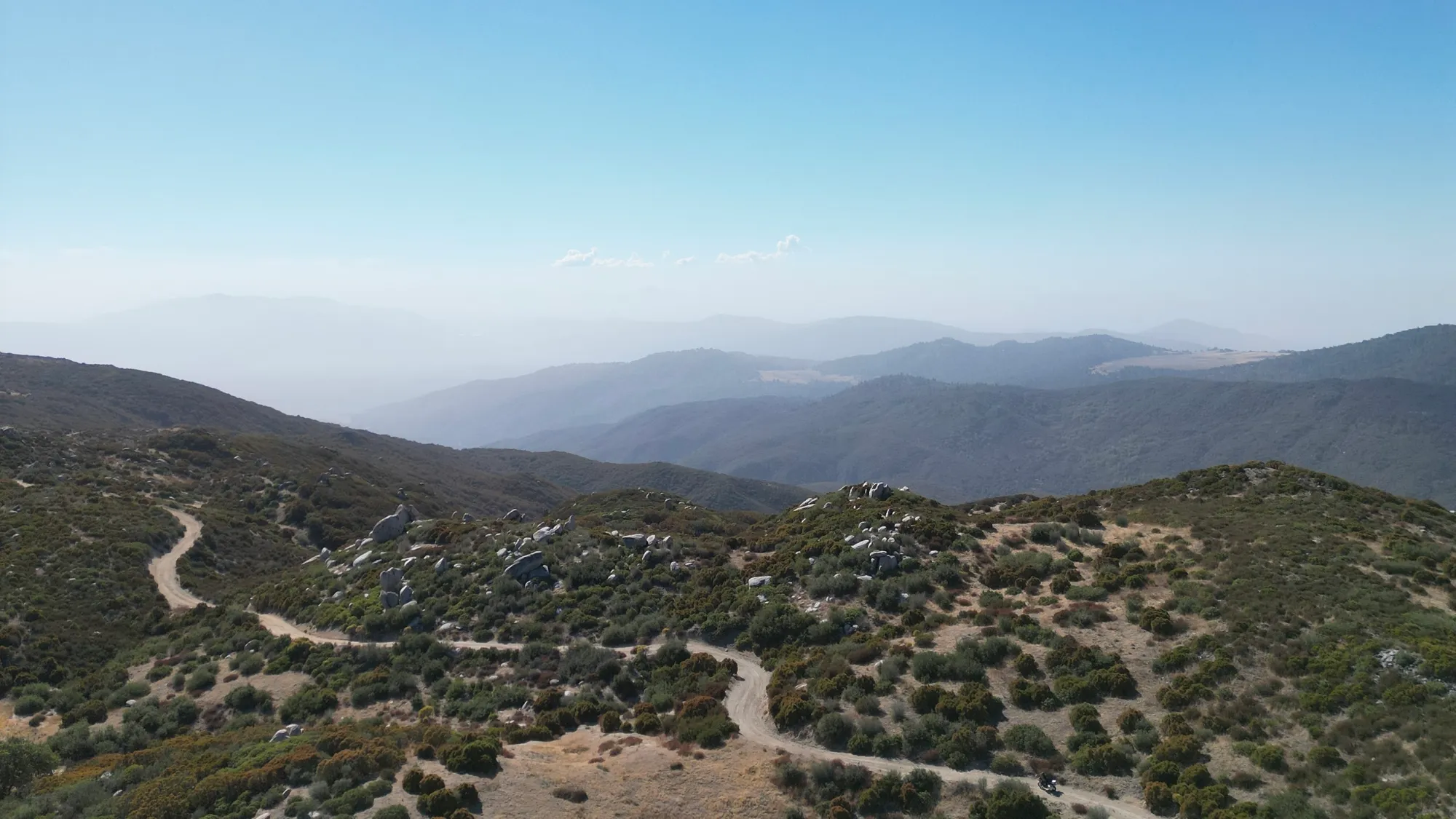
Aerial drone view of Palomar Divide Road winding through chaparral-covered mountain ridges in San Diego County. Multiple S-curve sections descend through sparse vegetation with distant valley views visible in the haze. Gravel and packed-earth surface. Clear day, no motorcycles or riders visible.

The Truth on the Street

None of this comes off a spec sheet. It's the picture that's built up over years of reading YouTube comments, following forum threads, trading words with owners in the paddock, and working through the emails and direct messages riders send me about their own bikes. For the V-Strom 1050 XT the pattern reads clearly: strong affection for the engine and the way it handles long road days, with the reservations clustering around what happens once the asphalt ends and around a few pieces of the kit.

Where the goodwill collects

The engine collects the loudest and most frequent approval. The community paints the V-twin as easygoing and refined, strong from low in the rev range, and a noticeable step forward in behavior over its predecessor. Reliability is the other pillar that comes up constantly: riders log big, untroubled mileage and rate that trustworthiness above outright performance. Comfort lands as the next theme, built on a broad, long saddle, a windscreen that genuinely blunts the wind, and a seating position that survives a full day with a passenger along. Stopping power gets its own credit, with riders pointing to how much the front brake delivers once you lean on the lever. There's also a running thread about how approachable the bike feels for its bulk, sitting lighter on its feet than the premium 1200-class crowd when you're filtering through traffic, shuffling around a lot, or crossing easy gravel. Those stepping up to a large adventure bike for the first time keep mentioning the neutral steering and the calmer throttle setting as what makes it click.

What stops at the pavement's edge

For all the trail-ready styling, owners stay level-headed about where the capability tapers off. The common read: gravel and forest roads suit it well, technical trails don't, thanks to a setup tuned for pavement and ground clearance that's only modest. The original tires bring their own persistent grumble, with riders describing imprecise feedback up front and middling wet traction, and a good number replacing them early. The fork surfaces in those same threads for diving hard under braking and kicking sharp impacts back at the rider over broken surfaces at speed. And the riders who venture furthest off-road raise a final objection: the cornering ABS refuses to fully shut off, keeping it active on loose terrain where a few would rather have it gone.

The gripes that turn practical

On equipment, the criticism gets concrete. Top of the pile is the instrument panel, a monochrome LCD with no color display, no Bluetooth, and no link to a phone, which the community calls out again and again as the part that feels furthest behind the rest of the bike. Right alongside it runs the absence of a factory quickshifter, something owners note you could only add by going aftermarket. Two lesser annoyances fill in the edges. At crawling town speeds the most aggressive throttle map reads as jumpy and on edge, and the cruise control tends to switch itself off when the road turns choppy, forcing more re-engagements than riders care for. By and large they adapt and move on.

Known issues

  • High-beam luminous intensity exceeds federal limit

    electricsoccasionalRecall

    A manufacturing change on November 20, 2019 added a protective tape behind the upper-beam reflector base. The added thickness raised the reflector by approximately 0.5°, pushing high-beam luminous intensity above the 7,500 candela maximum required by US FMVSS 108. The condition can dazzle the rider and oncoming drivers and is classified as safety-relevant. Affects entire VIN cohort within the build window.

  • SDMS Mode A throttle response nervous / abrupt at low speeds

    engineoccasional

    The sharpest of the three SDMS throttle maps (Mode A) is described by multiple professional reviewers and owners as twitchy and irritating in town traffic, parking-lot maneuvers, and very low-speed riding. Mode B (medium) eliminates the issue and is the workaround used by most owners. Not a fault per se, but a consistent calibration criticism for the launch generation's drive-by-wire setup. No ECU update campaign documented.

  • Cruise control drops out / cancels itself on bumps and minor inputs

    electricsoccasional

    Cruise control disengages without rider intent — most often triggered by road bumps causing weight shift, slight forward throttle relaxation, or rough surface inputs. Owners describe needing to re-engage cruise multiple times per long ride. Some forum users argue the behavior is by-design (cruise cancels with any throttle/brake input including minor reflex inputs over bumps); others treat it as a calibration issue. No software update campaign documented.

  • Rear (and to a lesser extent front) spokes dull, pit, or discolor early in ownership

    chassisoccasional

    XT-exclusive issue — applies only to the XT's tubeless wire-spoke wheels, not to the cast-wheeled base 1050. Rear spoke finish (advertised as durable but observably plated) loses shine after as little as 50–500 miles of ownership. Cleaning provides only short-term relief; pitting and rust progress within a season. Front wheel less affected. Warranty handling has been geographically inconsistent (some UK/North America approvals; reports of denials in Australia).

The Expert Benchmark

Where this Suzuki V-Strom 1050 XT pulls ahead of — or falls behind — its rivals on the numbers, and the typical bike in its class on character.

What kind of bike this is — character vs. the class

This bike Class average

The shape of the Suzuki V-Strom 1050 XT — numbers and character vs. the average Adventure

Head-to-head: Suzuki V-Strom 1050 XT vs. its rivals

The Long-Haul Verdict

Forget spec-sheet bragging. Here's who the V-Strom 1050 XT is actually built for.

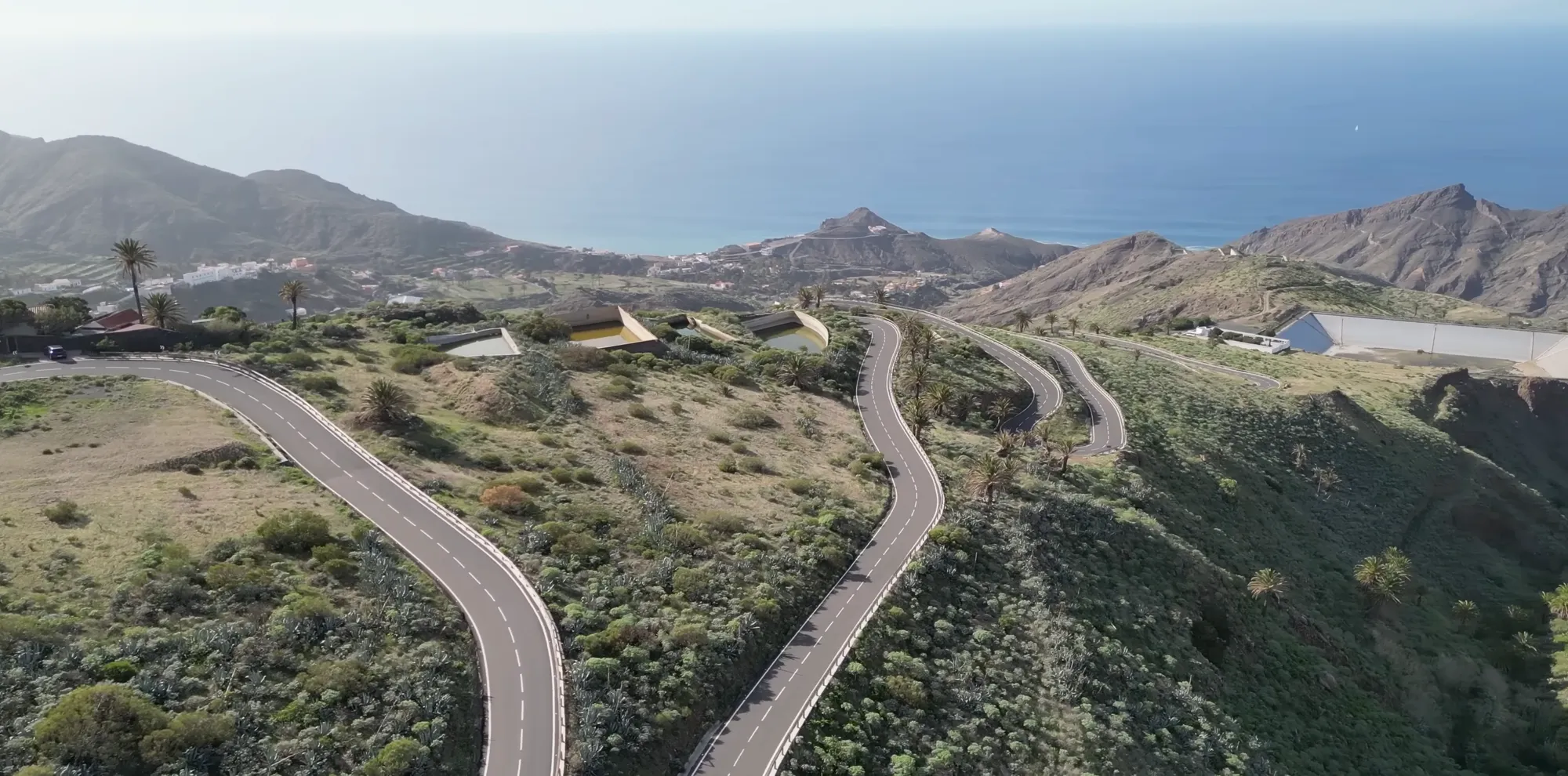
Aerial view of a winding asphalt road cutting through volcanic terrain on La Gomera, Canary Islands. The road curves through sparse green vegetation with rocky volcanic peaks visible in the background and a settled valley to the left. Clear lane markings, dry climate, partly cloudy sky. No motorcycle or rider visible.

Best motorcycle for Highway 1?

Day-rides that link curves and scenery are this bike's wheelhouse. It carves the good roads and stays comfortable breakfast to dusk, with enough V-twin punch to keep things interesting.

Made for Black Hills · Blue Ridge Parkway · Cherohala Skyway
Best touring motorcycle for long distance?

Built your year around national-park routes, two-up with full bags? The XT fits. It pulls smoothly all day and carries serious luggage, though loaded you'll ride the passes mindful of its weight.

Made for Beartooth Highway · Blue Ridge Parkway · Going-to-the-Sun Road

Best motorcycle for BDR routes?

Straight talk: the XT is an 80/20 road bike on a 19-inch front, happiest on pavement and light gravel. It'll cope with graded BDR sections, but a serious dirt-focused backcountry rig it is not.

Made for AZBDR — Arizona Backcountry Discovery Route · California BDR South · COBDR — Colorado Backcountry Discovery Route

Alternatives to the Suzuki V-Strom 1050 XT

If this one isn't quite the fit, these are the bikes worth riding back-to-back against it.

Any price note compares both bikes at the same age — the youngest age both have on the used market — against this Suzuki V-Strom 1050 XT. “cheaper/pricier” is what that bike costs second-hand, not how worn it is.