BMW HP2 Enduro (K25H) — Adventure

2005–2008 · Adventure · Buyer's Guide

HP2 Enduro (K25H)

Boxer Muscle, Real Dirt

The Machine's Character

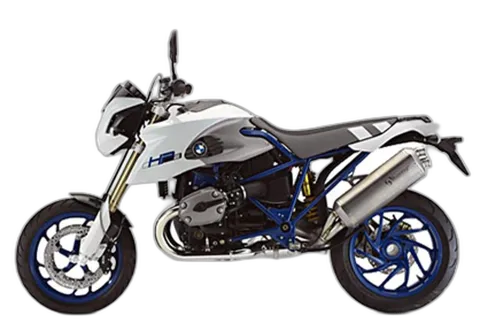
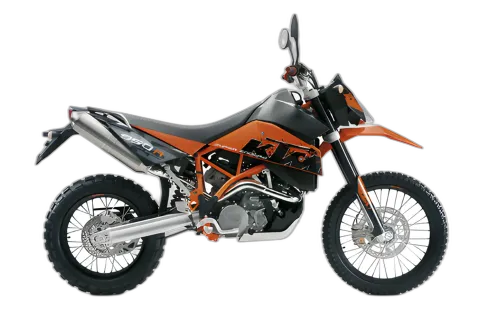
BMW's first High Performance machine took the 1170cc boxer, pulled the balance shaft, and built a genuine off-road weapon around it. The air/oil-cooled flat-twin makes 105 hp and 85 lb-ft, and it does so with rough, vibrating honesty rather than polish. A steel trellis frame, an upside-down fork in place of the Telelever found across the rest of the boxer line, and a pneumatic air rear shock keep it light for a boxer at 430 lb wet. The mass sits low, the way only a flat-twin can put it. This was a limited-production bike aimed squarely at serious dirt, not a soft adventure tourer wearing knobbies.

On the trail it rewards a skilled, tall rider and quietly punishes everyone else. The seat sits at 36.2 in, and below roughly six feet the slow-speed work turns into a real liability. The boxer cylinders stick out far enough to plow mud in the tightest sections, and the 3.4 gal tank keeps real range short. But for a confident rider who stands on the pegs and lets the low-end grunt do the work, it builds a kind of capability few big bikes can match. Buy it for what it is: an uncompromising, exclusive off-road machine, not a do-everything traveler.

Hard Numbers

Spec sheets don't ride bikes, but they set the baseline.

Show full specs & equipment Hide specs & equipment
Key specifications
Power 105 hp (77 kW) @ 7,000 rpm
Torque 85 lb-ft (115 Nm) @ 5,500 rpm
Displacement 1170 cc
Engine Flat-twin (boxer)
Compression 11:1
Cooling Air/oil-cooled
Fuel system Fuel injection
Gearbox 6-speed
Final drive Shaft
Frame Steel trellis
Fork Upside-down (USD)
Front brake 305 mm
Rear brake 265 mm
Front tire 90/90-21
Rear tire 140/80-17
Ground clearance 12.6 in (320 mm)
Front travel 10.6 in (270 mm)
Rear travel 9.8 in (250 mm)
Seat height 36.2 in (920 mm)
Wet weight 430 lb (195 kg)
Fuel capacity 3.4 gal (13 L)
Top speed 130 mph (209 km/h)
Fuel economy 33 mpg (US)

Equipment check

Chassis

  • Front Suspension Adjustable Standard
  • Rear Suspension Adjustable Standard

Connectivity

  • Navigation Optional

The Voice of Experience

Portrait of NastyNils

The test ride

Thumb the starter and the whole machine shakes. The boxer runs rough and loud, vibration coming up through the pegs and bars in a way that tells you exactly what kind of bike this is. The seat sits narrow between the cylinder heads, and you spend the first few miles hunting for the sweet spot. Once you find it, you stay there. The rear brake feels useless in full enduro boots until you discover the fold-out pedal extension, and you'll curse it for a couple of rides before then. On pavement the bike feels tall and physical, every pound of its 430 lb present the moment you stop and try to muscle it around. Stand on the pegs through technical ground, though, and the low center of gravity makes it feel far smaller than the spec sheet says.

Rated point by point — where it earns its keep

My own 0–100 score for this bike against the class, area by area — the marker on each bar is the class average.

What threw me first wasn't the chassis, it was the fork. BMW left the Telelever behind on this one and ran a conventional upside-down unit, so the moment I braked into a corner the way decades of boxers had trained me to, the front dropped hard and rearranged my line. Anyone who's logged real miles on the rest of the lineup will get caught the exact same way. Past that surprise, the rear is the clever part. I set preload with the supplied pump, dialed compression and rebound independently, and used the little frame-mounted level to rebalance the bike whenever the load changed. It's lighter than a sprung unit and asks nothing back in return. The catch is traction. There's more output here than the rear can lay down on tarmac, and pushing hard out of a bend it lets go with a margin I wouldn't call generous.

My one real reservation comes down to tires. The stock fitment is a road-and-trail compromise, so it never feels fully planted on pavement and never bites the way you want once the going gets properly rough. Swap to aggressive knobbies and the torque simply wears them out fast, faster than you'll want to keep paying for. Plan on going through rear rubber quickly and budget for it up front. That running cost was the part that surprised me most about an otherwise tough, simple, honestly built machine.

What stays with me is less any single move and more a feeling that builds across a whole day. The low-end grunt, the mass carried down low, and the sheer physical heft of the thing settle into a confidence that compounds the longer you stay out. It reads your options differently than other machines do. Lines you'd normally have dismissed start to look reasonable, and not in a reckless way, just with more genuine willingness to find out what the bike can actually do underneath you. By the end of a hard day, that quiet, accumulating confidence is the strongest impression the HP2 leaves behind.

The character isn't refined and it never pretends to be. One deliberate twist of the throttle and the torque reaction shoves the whole bike sideways before it hauls hard forward, so the intent is obvious before you've even cleared the yard. There's no polish laid over the delivery, no attempt to civilize it for easier consumption. This feels like a motor built for one job and nothing softer, and I came away respecting it more for being that honest about what it is.

What limits this bike in the genuinely tight stuff is its own width. In deep mud or a narrow rock slot, the wide boxer cylinders take up room the trail just doesn't have, and once a section pinches down far enough there's no riding around it. No amount of throttle or rider technique changes the fact that the geometry won't pass through the gap in front of you. On open ground it never once comes up, but in the narrowest going the engine layout quietly makes the decision for you, and you learn to pick lines that respect it.

Comfort on this bike comes with conditions, and the first one is your build. The seat is genuinely tall, and below roughly six feet the slow-speed work stops being a skill exercise and turns into a falling exercise, especially when you're trying to turn around or simply hold it upright at a standstill. The second condition is muscle. While the thing is rolling the mass mostly vanishes, but the instant you stop it works against you. Dragging it backward out of a rut, swinging it around on a tight trail, wrestling it back up after a tip-over, you feel every bit of it, and the motor gives you nothing to lean on in those moments. This is not a light two-stroke you can throw around with your hips. On the move it's perfectly livable; the labor all arrives the moment you've come to a halt.

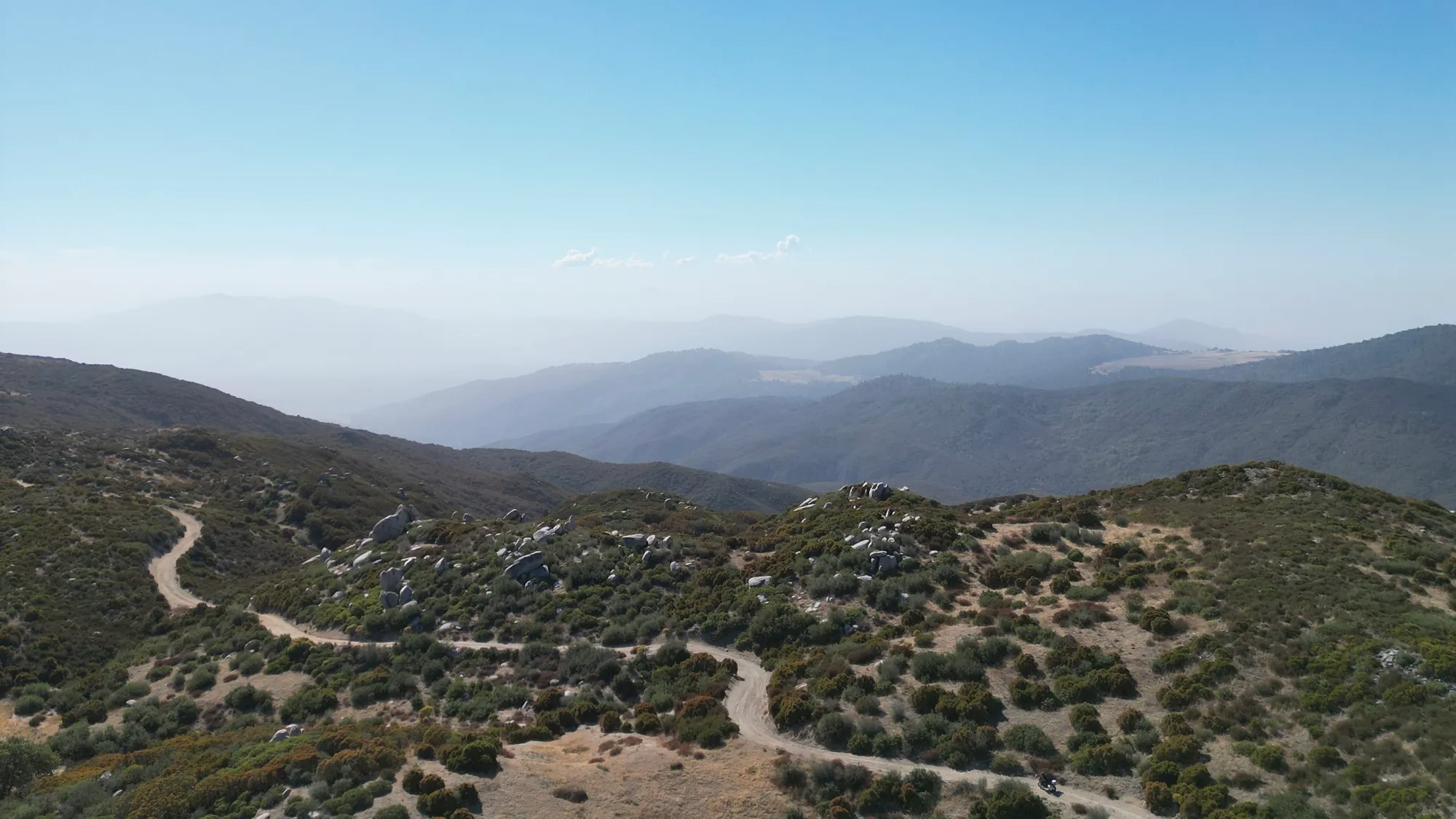
Aerial drone view of Palomar Divide Road winding through chaparral-covered mountain ridges in San Diego County. Multiple S-curve sections descend through sparse vegetation with distant valley views visible in the haze. Gravel and packed-earth surface.

The Truth on the Street

This isn't my own test ride; that lives elsewhere on the page. It's what I've collected over the years from the rider community: forum threads, paddock talk, owner conversations, and the messages and emails riders send me directly. On the HP2 Enduro the chatter lands in one consistent place. People love it in the dirt and warn you off using it as a tourer.

What riders keep coming back to

Riders consistently single out the boxer. The 105 hp twin pulls hard from low in the rev range and carries a raw, engaging character that owners mention again and again. Just as often they bring up the weight, or the lack of it: light for a big twin and genuinely agile on gravel and dry trails. The suspension earns steady praise too, with the fork and rear both soaking up bumps well and offering real adjustability.

Where the gripes pile up on the road

The complaints cluster around tarmac and distance. The most common is vibration high in the rev range, enough to wear you down over a long day. Range is the next one: the small 3.4 gal (13 L) tank leaves you hunting fuel around every 120 miles, which rules out serious touring. Add a firm seat and no wind protection and the highway becomes a slog most owners avoid. Some also flag it as expensive and rare, a collector bike whose used prices often run past what it cost new.

Known issues

  • Paralever link fastener loose (recall)

    chassisrareRecall

    The front threaded fastener of the paralever link may not be tightened correctly, potentially loosening and separating, leading to final drive instability and risk of crash.

  • Fuel pump flange may leak (recall)

    fuel systemoccasionalRecall

    The fuel pump flange can crack and cause a fuel leak while the engine is running. BMW issued a recall to replace the fuel pump with an improved unit.

  • Side stand switch failure

    electricsoccasional

    The side stand cut-out switch is prone to malfunction, causing misfires or cutting power; its location makes it vulnerable to boot contact.

  • Front fork slider bearing sleeve collapse

    suspensionoccasional

    The fork slider bearing sleeves can collapse after as little as 1,600 km, leading to clunky operation and reduced damping performance.

  • Inadequate battery

    electricscommon

    The standard battery is too small and goes flat quickly if the bike is not used regularly, requiring a battery optimizer or replacement with a larger unit.

  • Brake light bulb failure

    electricscommon

    The brake light filament blows frequently, especially under off-road vibration, leaving the rider without a working brake light.

The Expert Benchmark

Where this BMW HP2 Enduro pulls ahead of — or falls behind — its rivals on the numbers, and the typical bike in its class on character.

What kind of bike this is — character vs. the class

This bike Class average

The shape of the BMW HP2 Enduro — numbers and character vs. the average Adventure

Head-to-head: BMW HP2 Enduro vs. its rivals

The Long-Haul Verdict

Forget spec-sheet bragging. Here's who the HP2 Enduro is actually built for.

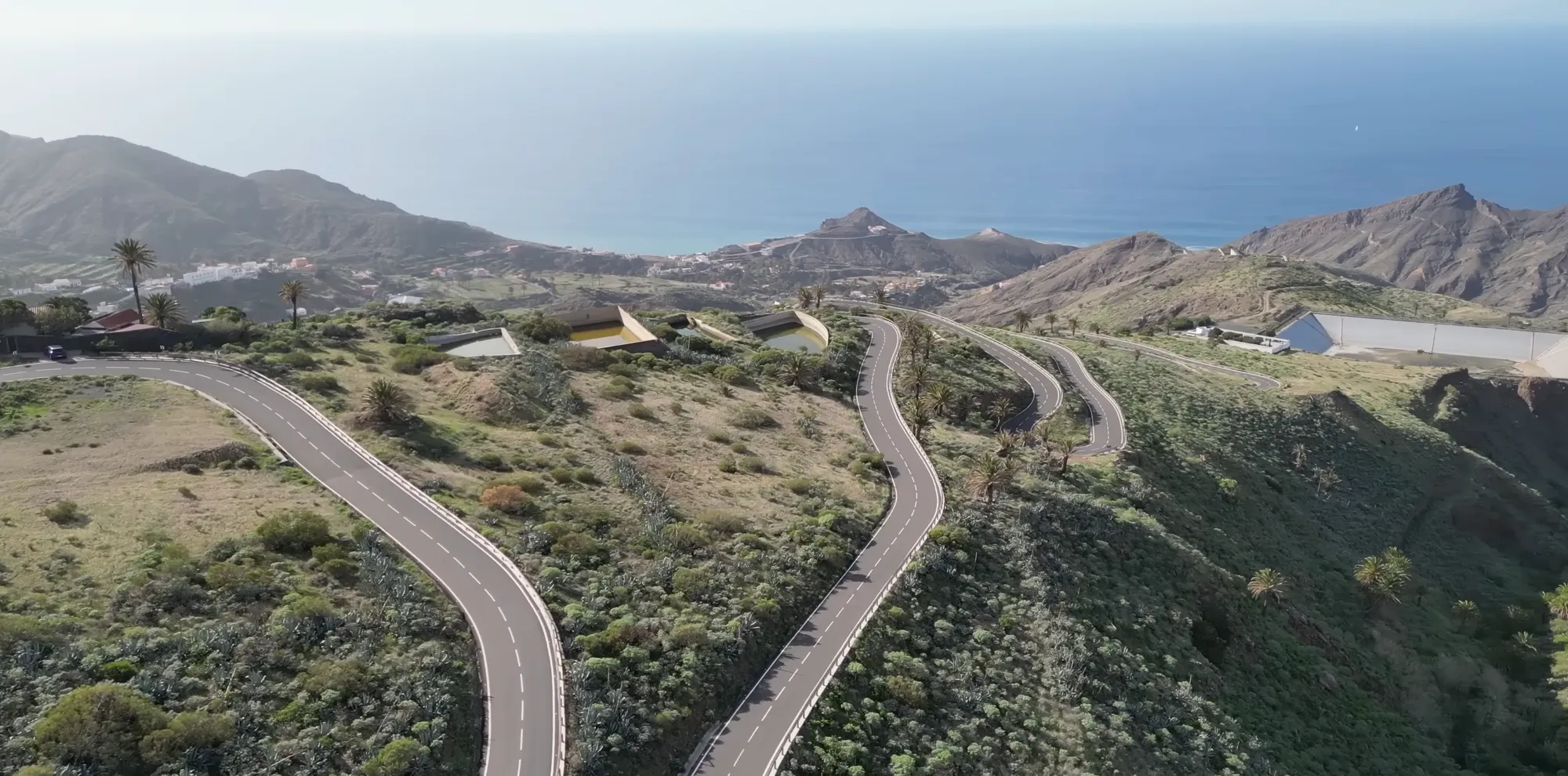
Aerial view of a winding asphalt road cutting through volcanic terrain on La Gomera, Canary Islands. The road curves through sparse green vegetation with rocky volcanic peaks visible in the background and a settled valley to the left. Clear lane markings, dry climate, partly cloudy sky.

Best motorcycle for Moab?

This is your bike. Technical slickrock and sand reward the low center of gravity and the grunt, and if you stand tall enough to manage it, the HP2 turns marginal lines into clean ones all day.

Made for Bar M / Kane Creek · Imperial Sand Dunes · Johnson Valley OHV Area
Best motorcycle for BDR routes?

It'll handle the dirt on a BDR without blinking, but the 3.4 gal tank and hard seat fight you on the long logistics days. Built for the technical miles, less so for the range game.

Made for AZBDR — Arizona Backcountry Discovery Route · California BDR South · COBDR — Colorado Backcountry Discovery Route

Best motorcycle for weekend escapes?

Wrong tool. This is a tall, raw, uncompromising off-road weapon, not a coffee-run scrambler. Unless you ride serious dirt and clear six feet, the looks won't be worth the punishment.

Made for Austin / Texas Hill Country · Malibu Canyons + PCH · Portland Weekend Escapes