
Quickshifter !
- A used motorcycle is usually a biography on two wheels. Read the owner first. The bike comes second.
- Old oil sitting through winter is not harmless. It turns acidic, attacks seals and internals, and punishes bikes that looked perfectly fine in October.
- The best trust signal is a seller who treats warm-up like religion: low revs, no heroics, and a natural 10–15 minute respect phase before asking the engine for anything serious.
Most used motorcycle buying advice is too neat. Too generic. Too proud of itself. It tells you to stare at scratches, tap on plastics, and act like a part-time forensic lab in somebody’s driveway. Fine. Do that. But don’t fool yourself. The future repair bill is shaped less by a nick on the wheel rim than by the human being who owned the bike when nobody was watching. That is the whole philosophy here: buy the seller, not the bike. A motorcycle can be cleaned in an afternoon. A careless owner cannot. Proper warm-up, correct winter storage, organized service habits, and a general culture of respect leave traces everywhere if you know where to look.
That is why the good used-bike buyer becomes a garage detective. Not a paranoid one. A calm one. You are reading habits. You are reading rituals. You are reading whether this machine was treated like a cheap appliance or like a valued tool. Longevity depends heavily on how the previous owner handled warm-up, oil changes before winter storage, and service quality. Even the wear pattern at the ignition switch can tell you more than a polished sales pitch or a lovingly staged service booklet.
The Garage Test
The garage test starts before you even visit the seller. Look at the photos in the ad. Not just the bike. The background. A clean motorcycle photographed in an orderly garage is not proof of virtue, but it is a strong hint that the owner has his life, and likely his service intervals, under control. Crooked cellphone shots of a half-dirty bike parked in front of chaos should make your alarm bells start muttering. Not screaming yet. Just muttering.
When you arrive, widen the frame. How do the other machines look? The bicycles. The car. The old scooter. The shelves. The paperwork. Is there a neat folder of invoices, organized and labeled, or a vague story floating in warm air? A meticulous owner leaves fingerprints everywhere, and I mean that in the good sense. The same person who files receipts properly is also the person who probably did not cold-thrash the bike out of the garage. The same person who keeps the space tidy is usually the one who noticed problems early and dealt with them before they became expensive.
Then come the small tells. These are better than dramatic speeches. A rusty chain is not just a chain. It is a character witness against the owner. Heavy wear where rider and machine touch each other tells a story too. Even the ignition area can reveal how mechanically clumsy or respectful a person has been over time. This is where generic used-bike advice falls flat. People love to talk about machines as if they age in a vacuum. They do not. They age inside somebody’s habits.
One more thing. Ask the seller how he warms the bike. Then shut up and listen. The best answer in the entire transaction is not a polished technical monologue. It is a casual sentence like this: “I keep the revs down for the first 10 to 15 minutes and stay off full throttle until the oil is properly warm.” That is the ultimate trust signal. Not because it sounds smart. Because it reveals the routine he followed for years. On a modern, high-revving engine, stable oil supply to sensitive areas matters enormously, and oil temperature lags behind coolant temperature. A seller who knows that and lives by it is telling you the bike was not abused on cold internals. That matters more than the shiny detailer spray on the tank.
The Winter Storage Acid Trap
A lot of motorcycle damage does not happen on the road. It happens standing still. That is the part lazy buying guides miss because it is less glamorous than talking about dyno charts and tire brands. Leave a bike parked for months in a damp environment with old oil in the engine and you are letting acidic oil sit inside a precision machine. Over time it attacks sensitive materials, dries out seals, and invites corrosion onto the internals. Nice looking bike. Ugly truth.
The owner who understands this does something very unfashionable. He changes the oil before winter storage. Every year. No drama. No forum poetry. He essentially embalms the engine in fresh oil before the bike goes to sleep. That is not over-maintenance. That is how a meticulous owner prevents slow-motion damage that may not show up until thousands of miles later. And that is the point: some of the most important things in a used motorcycle cannot be proven on the spot, not even by a mechanic. You often discover them much later. Which is exactly why owner behavior matters so much.
This is also where authorized service earns real value. Not because the dealer coffee is any good. Usually it is not. It matters because dealers quietly handle known weak points during routine service work. Small factory fixes, updates, and long-life issues can get addressed in the background. Independent shops may miss those simply because they were never looped into that information. So when a seller can show a pattern of proper dealer servicing over time, that is more than a stack of stamps. It suggests the bike received not just oil and filters, but also the silent housekeeping that keeps a motorcycle healthy as it ages.
The winter storage acid trap is why you should never judge a used bike by cosmetics alone. Plenty of motorcycles look showroom-clean because they were wiped down before the sale. Fewer look good because they were actually cared for in December, January, and February. That is a different class of ownership.
The Helmet Check
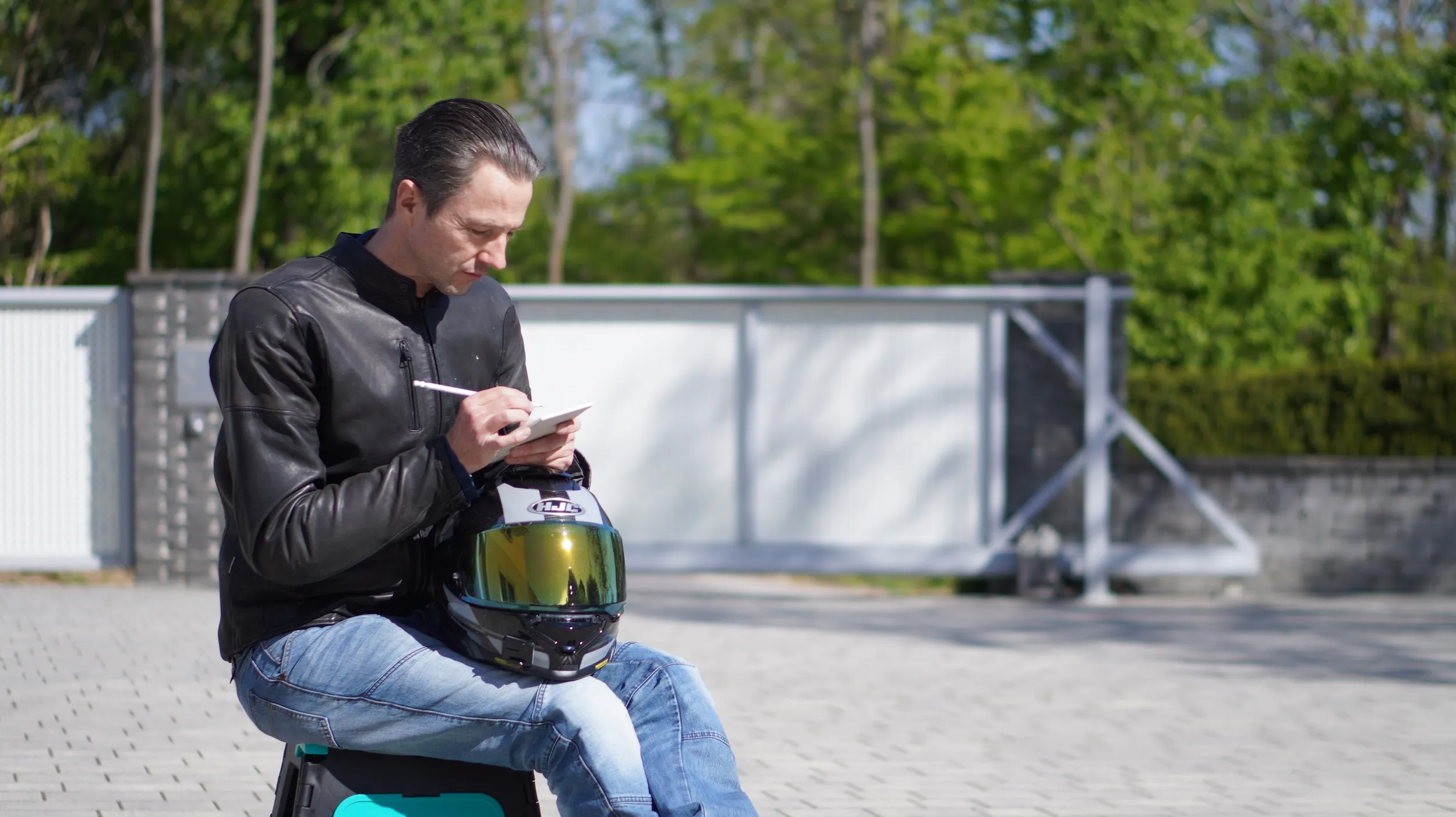
Now for one of the best human tells in the whole game: the helmet check. If you can see the seller’s riding gear, pay attention. A helmet still wearing the bug graveyard from the last ride is not automatic condemnation, but it is a minus. A clean, premium helmet, neatly placed on a proper shelf, sends a different signal. It suggests order, care, and respect for equipment. Same rider. Same driveway. Very different story.
This is not snobbery. It is pattern recognition. The person who treats his own gear with care tends to treat the motorcycle the same way. The person who lets everything drift into grime, improvisation, and neglect will often do the same with chains, fluids, storage, and service timing. That is why the helmet check works. It is not about the helmet itself. It is about the ownership culture around it.
And yes, even here you stay grounded. You are not buying a saint. You are buying probability. Used motorcycle buying is never about certainty. It is about stacking the odds in your favor. The helmet. The garage. The invoices. The chain. The warm-up answer. The seller’s manner. Each one is a small vote. When they all point in the same direction, that is when you move.
Red Flag Checklist
Walk away, or at least get very hard-nosed on price, if you see several of these at once:
- Messy ad photos with a messy background
- No organized paperwork, no coherent service story
- Seller cannot explain warm-up habits
- Tires worn past legal tread or obviously neglected
- Rusty or dry chain
- Heavy wear at rider contact points that suggests rough treatment
- Claims of “never dropped” while the frame, footrest mounts, steering stops, or exhaust say otherwise
- Broken or bent steering stop
- Visible frame cracks or deformation
- Bike pulls to one side under braking
- Bike weaves, shimmies, or feels geometrically wrong in corners
- Sloppy overall presentation that points to a sloppy owner, not just a dirty bike