
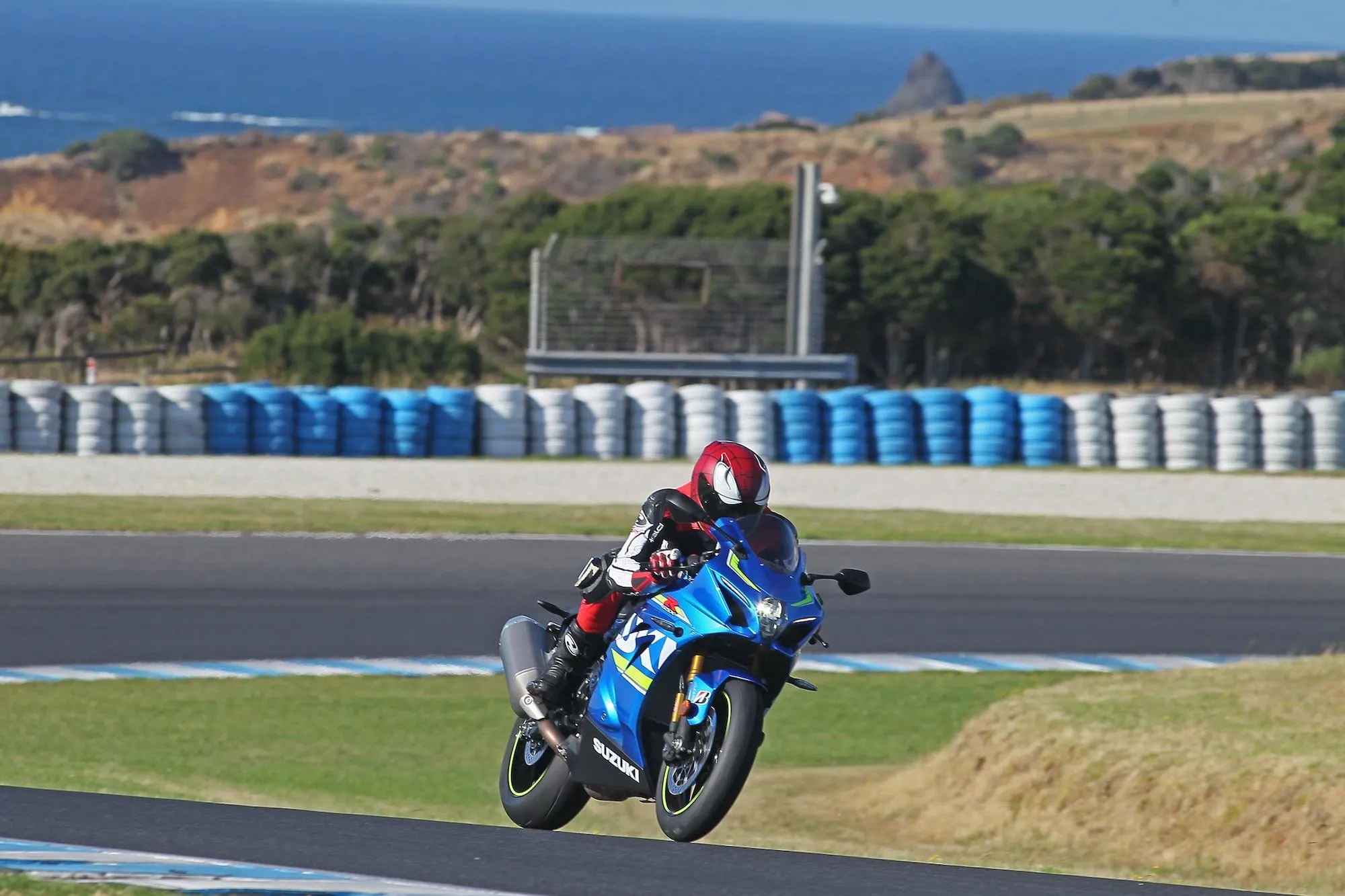
There is a description I keep returning to, for the experience of motorcycling at its best.
Life, distilled into a single espresso shot.
Not diluted. Not approximated. The thing itself, intensified, available to anyone who has sat on a motorcycle in a state of genuine presence rather than managed performance anxiety. The smell of the road in the first cool air of an early morning. The way a good engine communicates through the handlebars and pegs and seat — small vibrations, mechanical rhythms, the whole dialogue of a well-sorted machine telling you what it is doing and what it needs. The sensation of a long corner resolving cleanly, the machine leaning and returning in one continuous arc, everything arriving at the right time.
That is what motorcycling feels like when the ego is absent.
Most riders have felt this. Many are currently chasing something else instead.
The Bike Night Pressure
Every motorcycle culture has its version of the Stammtisch — what we in the States call the Sunday morning bike night, the post-ride hangout, the group chat, the forum thread where the week’s performances are informally ranked. It is not malicious. It is social. It is the natural human tendency to compare, calibrate, and establish position within a group.
On a motorcycle, bike-night pressure expresses itself in specific ways. The suggestion that a fast pace should be matched rather than acknowledged and released. The mild contempt for chicken strips — those untouched outer edges of the tire that indicate a rider is not using full lean angle. The culture of the mileage count, where a 600-mile day is something to announce, and 400 miles is something to explain. The track day lap time that circulates in the group and becomes a standard against which others are quietly measured.
None of these pressures are direct. They rarely need to be. They operate through atmosphere, through implication, through the accumulated weight of what seems valued in the group. A rider absorbs the bike-night standards without being explicitly told to, and begins riding to satisfy them rather than to satisfy themselves.
The consequence of this shift is gradual but consistent. Riding stops being something you do for the reasons that brought you to it. It becomes performance, conducted for an audience that may not even be watching. The corner you force because the group was watching the apex. The pace you hold past your comfort level because slowing would feel like an admission. The track day lap time you keep refreshing on your phone back in the pits, even though what happened on track was interesting and alive and the number on the screen is a poor summary of any of it.
Chicken Strips and Other Irrelevant Data
The chicken strip critique deserves direct attention because it has become a remarkably efficient shortcut for reducing riding to a single, easily measured proxy metric.
Chicken strips measure one thing: the maximum lean angle achieved on the tires. They do not measure the quality of the riding that produced that lean angle. They do not measure line choice, throttle timing, sightline management, or the intelligence of the decisions made through a given section of road. They do not measure whether the rider was in control, flowing, confident, and safe — or whether they were chasing lean angle specifically to eliminate the chicken strips and produce a tire that looks impressive in a photo.
A rider who makes excellent decisions, rides clean lines, uses consistent and appropriate pace for the conditions, and returns with an undramatic tire profile has done something more valuable than someone who attacked every apex to consume the edge and has a dramatic tire to show for it.
The motorcycle does not care. The road does not care. The only thing that cares about chicken strips is the bike-night crowd.
The Machine’s Love
There is something honest about the relationship between a rider and a motorcycle that gets lost when external pressure enters the equation.
The motorcycle responds to what you actually do, not to what you claim to do or what the group believes you did. It communicates through feedback that is completely indifferent to social performance. If the line is wrong, the machine tells you. If the throttle is rushed, the chassis tells you. If the corner entry speed is right, the whole machine settles and flows and the feeling is immediately apparent.
The motorcycle does not have a bike-night opinion. It does not know about the lap timer. It responds only to input, and it rewards correct input with the closest thing an inanimate object can offer to approval — a smooth, clean, precise ride that feels like understanding rather than struggle.
This is the relationship that gets damaged when riding becomes performance. The external audience, the lap times, the chicken strip critique — these inputs compete with the motorcycle’s own feedback for the rider’s attention. When the rider is thinking about the group’s expectations rather than what the machine is telling them, the quality of their riding deteriorates. Not dramatically at first. But the loss of presence is real, and eventually it produces both worse riding and less joy.
Riding for yourself does not mean riding recklessly. The opposite, usually. When you are riding genuinely for your own satisfaction — for the feeling, for the experience, for the thing that happens in a well-executed corner when the machine and the rider are in agreement — the quality of the decision-making improves. You are not managing appearances. You are managing the motorcycle. Those are different tasks, and the second one is more rewarding in every dimension.
The Unbeatable Response
After many years in this industry, after thousands of videos and reviews and public evaluations of my own riding, I arrived at a simple conclusion about what actually silences critics at any bike night.
Not faster lap times. Not a more impressive motorcycle. Not a more aggressive tire profile.
Complete indifference.
The rider who genuinely does not care what the group thinks of their pace, their lean angle, their tire wear, their mileage count — that rider cannot be reached by the bike-night ranking. They have no surface for the pressure to grip. And because they cannot be destabilized by social comparison, they tend, with time, to become quietly better riders than those who can. They are paying attention to the correct things. Their skill improves because the feedback they are acting on is accurate feedback from the road and the machine, not distorted feedback from a social environment with its own incentives.
Valentino Rossi, across his long career, was the clearest large-scale example of this dynamic. An extraordinary amount of external pressure surrounded him constantly — competitors, media, team expectations, fan attachment. And through all of it, he maintained a seemingly inexhaustible drive to improve for reasons that appeared to originate internally rather than externally. He was not riding to satisfy a crowd. He was riding to answer his own questions about what the motorcycle and the rider together could do.
That instinct — to ask your own questions and listen for the machine’s answers, rather than performing for an audience — is available to any rider at any level. On any road. On any motorcycle. With any tire profile.
What Remains
At the end of a season, the question worth asking is not how many miles you covered or what your best lap time was or how the group rated your pace. Those are numbers. They tell a story about quantity and don’t say much about quality.
The question that matters: were there moments this season when time seemed to stop? When the corner unwound exactly as you had read it, and the exit opened perfectly, and the machine and the road and your attention were all briefly in the same place at the same time?
If yes, you were riding for yourself. That is the thing.
The motorcycle does not require anything from you beyond presence and correct input. In exchange, it offers what almost nothing else in modern life consistently provides: the concentrated experience of being exactly where you are, doing exactly one thing, with everything else filtered out.
The bike-night crowd will have opinions next Sunday regardless.
Ride for yourself today.